Preparing for MBA interview questions can feel stressful, especially when admission to your dream business school depends heavily on your performance. While academic scores and entrance exams are important, MBA interviews often become the deciding factor during the final selection process.
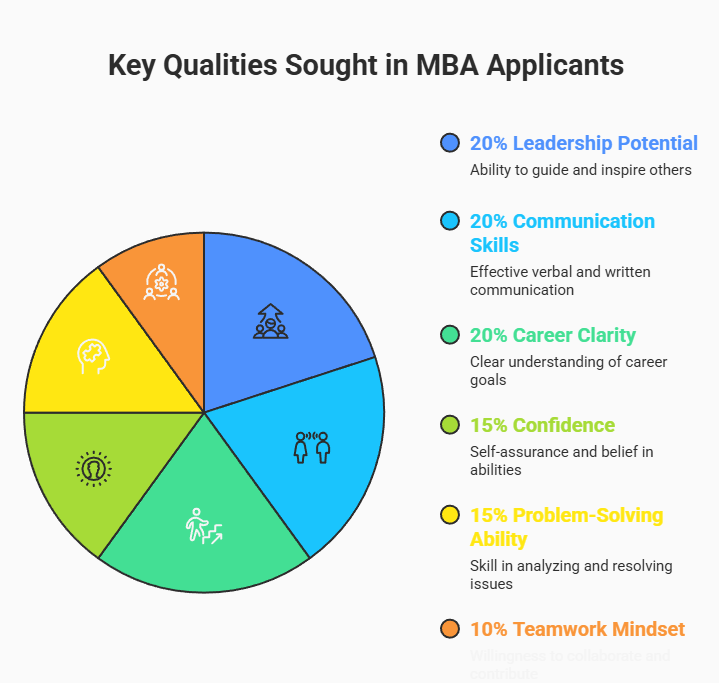
Today, top MBA colleges are not just searching for students with high marks. They want candidates who demonstrate:
- Leadership potential
- Communication skills
- Career clarity
- Confidence
- Problem-solving ability
- Teamwork mindset
In simple words, interviewers want to understand whether you can become a future business leader.
The good news? Most MBA admission interview questions follow predictable patterns. With the right preparation, smart structuring, and confident delivery, you can answer them effectively.
In this guide, you’ll learn:
- 25 real MBA interview questions
- Smart sample answers
- MBA interview preparation tips
- Common mistakes to avoid
- Expert strategies to impress the interview panel
Whether you are a fresher or an experienced professional, this article will help you prepare smarter and perform confidently.
How to Prepare for an MBA Interview
Before jumping into MBA interview questions and answers, it’s important to understand how to prepare strategically.
Research the MBA College Properly
Interviewers often ask why you selected their institute. Avoid generic answers.
Research:
- MBA specializations
- Placement records
- Faculty profiles
- Alumni success stories
- Industry collaborations
- Internship opportunities
This shows genuine interest and seriousness.
Suggested Read:
- 7 Best MBA Courses for Working Professionals
- Top 15 MBA Specializations with the Highest Salary in India: 2026 Guide
- 10 Best MBA Colleges in India with Highest Placements
Know Your Resume Well
Every line on your resume can become a discussion topic.
Be prepared to explain:
- Academic performance
- Internships
- Projects
- Certifications
- Work achievements
- Gaps in education or employment
Never mention something you cannot explain confidently.
Practice Speaking Confidently
Good answers fail when delivered poorly.
Practice:
- Speaking slowly
- Maintaining eye contact
- Clear pronunciation
- Structured answers
Mock interviews can improve confidence significantly.
Prepare Career Goals Clearly
MBA interview panels love candidates with direction and clarity.
Be ready to explain:
- Why you want an MBA
- Your preferred specialization
- Short-term career goals
- Long-term vision
Stay Updated With Business News
Many MBA HR interview questions test business awareness.
Follow:
- Business newspapers
- Startup news
- AI and technology trends
- Economic updates
- Industry developments
This improves analytical thinking and discussion quality.
Dress Professionally
Your appearance creates the first impression.
Recommended dress code:
| Men | Women |
|---|---|
| Formal shirt and trousers | Formal suit or business attire |
| Polished shoes | Minimal accessories |
| Clean grooming | Professional appearance |
Maintain Positive Body Language
Body language matters more than many students realize.
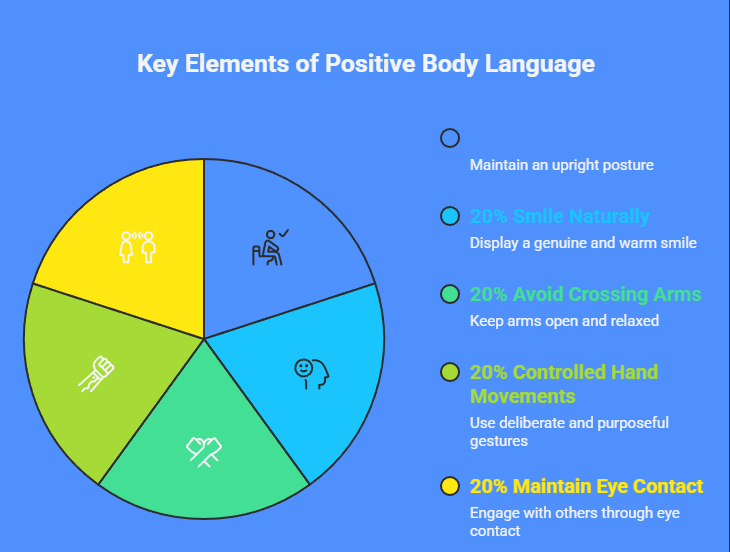
Remember to:
- Sit straight
- Smile naturally
- Avoid crossing arms
- Use controlled hand movements
- Maintain eye contact
25 MBA Interview Questions With Smart Answers
1. Tell Me About Yourself
This is one of the most common MBA interview questions.
Smart Answer Structure
- Educational background
- Current studies/work
- Key achievements
- Career goals
- Why MBA
Sample Answer
“I completed my graduation in Commerce from Delhi University. During college, I actively participated in management events and led a marketing project team. Currently, I’m working as a business analyst intern, where I have developed an interest in strategic decision-making. I now want to pursue an MBA to strengthen my leadership and management skills and build a long-term career in consulting.”
2. Why Do You Want to Pursue an MBA?
Interviewers want clarity and genuine motivation.
Smart Points to Include
- Leadership development
- Management knowledge
- Career transition
- Networking opportunities
- Better career growth
Sample Answer
“I want to pursue an MBA because I aim to move into leadership roles where strategic thinking and management skills are essential. An MBA will help me gain industry exposure, improve decision-making abilities, and build a strong professional network.”
3. Why Did You Choose This MBA College?
Avoid saying things like “good reputation” only.
Better Points to Mention
- Faculty quality
- Placement records
- Alumni network
- Industry exposure
- Specific specialization
Sample Answer
“I selected this MBA college because of its strong placement record in finance, experienced faculty, and active alumni network. I’m particularly impressed by the industry-oriented curriculum and internship opportunities offered here.”
4. What Are Your Short-Term and Long-Term Goals?
This question checks career clarity.
Smart Structure
Short-Term Goals
- Gain industry experience
- Enter desired role
- Build managerial skills
Long-Term Goals
- Leadership role
- Entrepreneurship
- Industry expertise
Sample Answer
“In the short term, I want to work in a consulting role where I can solve business challenges and gain leadership exposure. In the long term, I see myself leading strategic business operations or building my own consulting firm.”
5. What Are Your Strengths?
Choose strengths relevant to management careers.
Smart Examples
- Communication
- Leadership
- Problem-solving
- Teamwork
- Adaptability
Sample Answer
“One of my biggest strengths is problem-solving. During my internship, I helped streamline a reporting process that reduced team workload significantly. I also believe my communication and teamwork abilities help me collaborate effectively.”
6. What Is Your Biggest Weakness?
Never say “I have no weakness.”
Smart Strategy
- Mention a genuine weakness
- Show improvement efforts
- End positively
Sample Answer
“I used to struggle with public speaking during my early college years. To improve, I started participating in presentations and group discussions regularly. Over time, my confidence improved significantly.”
7. Why Should We Select You?
This question is about your value proposition.
Include
- Unique qualities
- Work ethic
- Leadership examples
- Learning attitude
Sample Answer
“I believe my combination of academic discipline, leadership experience, and willingness to learn makes me a strong fit for this program. I actively contribute to teams and stay committed to continuous improvement.”
8. Describe a Leadership Experience
Use the STAR method.
STAR Structure
| Step | Meaning |
|---|---|
| Situation | Explain context |
| Task | Define responsibility |
| Action | Explain what you did |
| Result | Share outcome |
Sample Answer
“During a college fest, our sponsorship team was struggling to meet targets. As team leader, I reorganized responsibilities, improved communication, and approached new sponsors strategically. As a result, we exceeded our sponsorship target by 20%.”
9. How Do You Handle Pressure?
MBA students often face deadlines and multitasking.
Smart Points
- Time management
- Prioritization
- Calm decision-making
- Planning
Sample Answer
“I handle pressure by prioritizing tasks and maintaining a structured schedule. During exam periods and project deadlines, I break work into smaller goals and focus on completing them systematically.”
10. Tell Us About a Failure You Faced
Interviewers test emotional maturity here.
Smart Strategy
- Explain failure honestly
- Share lessons learned
- Show growth mindset
Sample Answer
“In my first internship, I struggled with deadline management because I underestimated task complexity. I learned the importance of planning and communication, and since then I’ve improved my time management significantly.”
11. What Is Your Greatest Achievement?
Choose something meaningful and measurable.
Good Examples
- Academic success
- Leadership achievement
- Project completion
- Team accomplishment
Sample Answer
“My greatest achievement was leading a college entrepreneurship event attended by over 500 students. Managing sponsors, logistics, and promotions taught me valuable leadership and organizational skills.”
12. Why Not Pursue a Job Instead of an MBA?
The panel wants to understand your priorities.
Smart Points
- Career acceleration
- Skill development
- Broader opportunities
- Strategic learning
Sample Answer
“While work experience is valuable, I believe an MBA will accelerate my growth by providing structured management education, leadership exposure, and networking opportunities that are difficult to gain early in a regular job.”
13. What Specialization Do You Want and Why?
Be specific and logical.
Popular MBA Specializations
- Marketing
- Finance
- HR
- Operations
- Business Analytics
Sample Answer
“I want to specialize in Marketing because I enjoy understanding consumer behavior and branding strategies. My internship experience in digital campaigns further strengthened my interest in this field.”
14. Tell Me About Your Work Experience
This is one of the most important MBA interview questions for experienced candidates.
Include
- Job role
- Responsibilities
- Key achievements
- Lessons learned
- Leadership exposure
Sample Answer
“I worked as a sales executive for two years where I handled client communication and market analysis. During this period, I learned how customer behavior influences business decisions and improved my teamwork and negotiation skills.”
15. How Will You Contribute to Our MBA Program?
Interviewers want students who add value to the campus community.
Mention
- Diversity of experience
- Leadership participation
- Club activities
- Peer learning
- Networking mindset
Sample Answer
“I believe I can contribute through active participation in student clubs, collaborative learning, and leadership initiatives. My background in event management and teamwork will help me engage positively with classmates and campus activities.”
16. What Are Current Business Trends You Follow?
This question checks awareness and curiosity.
Popular Business Trends
- AI in business
- Digital transformation
- Startup ecosystem
- Remote work culture
- Sustainability
- Data analytics
Sample Answer
“I closely follow the impact of AI in business operations. Companies are increasingly using AI for customer service, marketing automation, and data-driven decisions. I also follow startup trends and digital transformation strategies.”
17. Who Is Your Role Model and Why?
Choose someone meaningful and explain clearly.
Smart Structure
- Leadership qualities
- Personal inspiration
- Lessons learned
- Career relevance
Sample Answer
“My role model is Satya Nadella because of his leadership style and growth mindset. He transformed Microsoft by encouraging innovation, collaboration, and continuous learning. His leadership approach inspires me professionally.”
18. Describe a Conflict You Managed
Conflict management reflects emotional intelligence.
Include
- Situation
- Communication approach
- Team coordination
- Positive resolution
Sample Answer
“During a group project, two team members disagreed over task priorities. I organized a discussion where everyone shared their viewpoints openly. We created a revised timeline together, which improved coordination and helped complete the project successfully.”
19. What Is Success According to You?
Avoid giving only money-oriented answers.
Better Perspectives
- Continuous growth
- Positive impact
- Personal satisfaction
- Learning and contribution
Sample Answer
“To me, success means continuous personal and professional growth while creating positive impact for others. It’s not only about position or salary, but also about learning, leadership, and meaningful contribution.”
20. How Do You Manage Teamwork?
MBA programs heavily focus on collaboration.
Smart Points
- Listening skills
- Respect for opinions
- Delegation
- Accountability
- Communication
Sample Answer
“I believe successful teamwork depends on communication and mutual respect. I actively listen to team members, encourage collaboration, and ensure responsibilities are distributed fairly to achieve common goals.”
21. Why Do You Want This Specialization?
Your answer should connect passion with career goals.
Mention
- Personal interest
- Industry demand
- Long-term opportunities
- Relevant experiences
Sample Answer
“I want to specialize in Business Analytics because I enjoy working with data-driven decision-making. With businesses increasingly depending on analytics, I believe this specialization offers strong career opportunities and future relevance.”
22. What If You Do Not Get Selected?
This question tests maturity and resilience.
Smart Answer Strategy
- Stay positive
- Show determination
- Focus on improvement
Sample Answer
“If I’m not selected, I’ll consider it a learning experience and continue improving my profile. I’ll work on my weak areas, gain more exposure, and apply again with better preparation.”
23. Are You Comfortable Relocating?
Flexibility is important in management careers.
Smart Response
“I am comfortable relocating because I see it as an opportunity to learn, adapt, and grow professionally. Exposure to different environments can help broaden my perspective and experience.”
24. What Questions Do You Have for Us?
Always ask thoughtful questions.
Good Questions to Ask
- What internship opportunities are available?
- How does the college support industry exposure?
- What are the strongest student clubs on campus?
- How active is the alumni network?
- Are there global exchange opportunities?
Sample Answer
“I would like to know more about the industry projects and internship opportunities offered during the MBA program.”
25. Where Do You See Yourself After 10 Years?
This question checks long-term ambition and clarity.
Include
- Leadership goals
- Industry expertise
- Entrepreneurship aspirations
- Continuous growth
Sample Answer
“In the next 10 years, I see myself in a leadership role managing strategic business operations. I also hope to become an industry expert and mentor future professionals.”
MBA Interview Tips From Experts
Even great answers can fail without proper delivery. These expert MBA interview tips can improve your performance significantly.
Maintain Eye Contact
Eye contact shows confidence, honesty, and engagement.
Avoid:
- Looking down continuously
- Looking around nervously
Avoid Memorized Answers
Interviewers quickly identify robotic responses.
Instead:
- Speak naturally
- Personalize your answers
- Use real experiences
Speak Clearly and Confidently
You don’t need a perfect accent.
Focus on:
- Clear communication
- Calm speaking pace
- Structured responses
Keep Answers Concise
Long answers often become confusing.
Ideal answer length:
- 30–90 seconds for most questions
Use Real-Life Examples
Examples make your answers believable and memorable.
Whenever possible:
- Mention projects
- Share leadership experiences
- Discuss challenges solved
Be Honest
Never exaggerate achievements or skills.
Experienced interviewers can easily identify fake answers.
Common MBA Interview Mistakes to Avoid
Many candidates lose opportunities because of avoidable mistakes.
Lack of Preparation
Entering interviews without preparation creates poor impressions.
Always:
- Practice common MBA interview questions
- Research the college
- Review your resume
Overconfidence
Confidence is good. Arrogance is not.
Stay:
- Humble
- Respectful
- Open-minded
Poor Communication
Unclear communication reduces impact.
Avoid:
- Speaking too fast
- Using filler words excessively
- Giving confusing answers
Negative Answers
Never criticize:
- Previous employers
- Colleges
- Team members
- Professors
Stay professional and positive.
Fake Achievements
Interview panels often ask follow-up questions.
If you exaggerate:
- You may lose credibility instantly
Weak Body Language
Poor posture and nervous habits affect confidence perception.
Avoid:
- Slouching
- Constant fidgeting
- Crossing arms
MBA Interview Questions for Freshers vs Experienced Candidates
There is a noticeable difference in interview focus for freshers and working professionals.
| Freshers | Experienced Candidates |
|---|---|
| Academic focus | Work achievements |
| Internships and projects | Leadership exposure |
| Career clarity | Industry expertise |
| Communication potential | Team management skills |
| Learning attitude | Strategic thinking |
Freshers should focus more on:
- Academic achievements
- Internships
- Leadership activities
- Learning mindset
Experienced candidates should highlight:
- Professional achievements
- Problem-solving examples
- Leadership experience
- Industry knowledge
Best MBA Interview Preparation Resources
Preparing consistently improves confidence and performance.
Mock Interviews
Practice with:
- Friends
- Mentors
- Online interview platforms
Mock sessions improve fluency and confidence.
Group Discussions
Many MBA admission processes include GD rounds.
Practice:
- Structured speaking
- Listening skills
- Logical arguments
Business News Apps
Useful platforms include:
- Economic Times
- Bloomberg
- CNBC
- Harvard Business Review
Daily reading improves awareness and analytical thinking.
Communication Improvement Tools
Helpful resources:
- Public speaking clubs
- LinkedIn Learning
- Toastmasters
- YouTube interview practice channels
Frequently Asked Questions (FAQs)
What questions are mostly asked in MBA interviews?
The most common MBA interview questions include:
- Tell me about yourself
- Why MBA?
- Why this college?
- Career goals
- Strengths and weaknesses
- Leadership experiences
How can I introduce myself in an MBA interview?
Start with:
- Educational background
- Current work/studies
- Achievements
- Career goals
- Reason for pursuing MBA
Keep it concise and professional.
How long should MBA interview answers be?
Most answers should ideally be between 30 and 90 seconds, depending on the complexity of the question.
What should I wear for an MBA interview?
Wear professional formal attire with clean grooming and minimal distractions. Business formals create a strong first impression.
Can freshers crack MBA interviews easily?
Yes. Freshers can perform very well if they:
- Prepare consistently
- Communicate confidently
- Show career clarity
- Demonstrate leadership potential
How do I answer MBA HR questions confidently?
The best strategy is:
- Practice regularly
- Structure answers clearly
- Use real examples
- Maintain calm body language
- Speak honestly
Summary
MBA interviews are not designed to scare candidates. They are meant to evaluate your personality, communication skills, leadership potential, and career clarity.
The key to success is preparation.
The more you practice MBA interview questions and answers, the more confident and natural you become during the actual interview.