
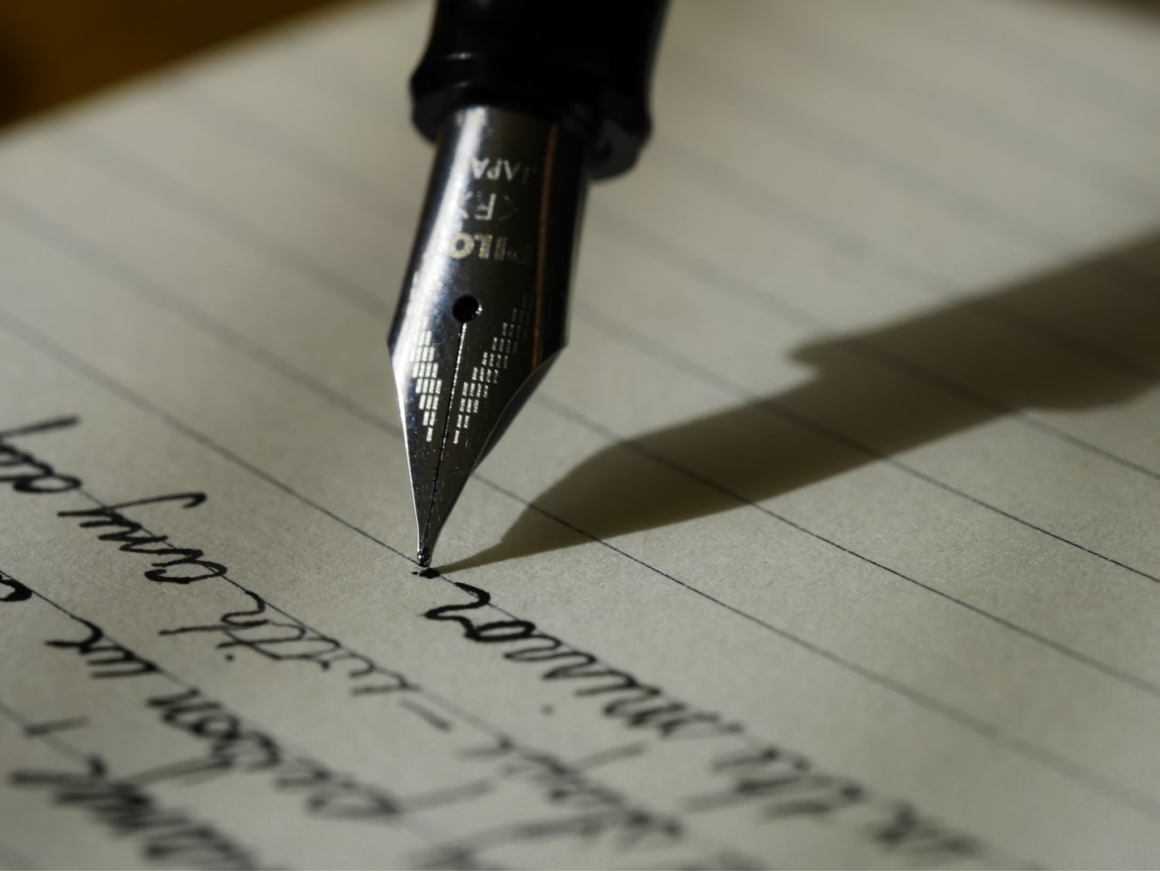
Language skills grow fastest when common phrases echo through everyday moments. A coffee order, a quick question in class, or a short note at work, each situation rewards clear sentences more than rare vocabulary. For that reason, teachers often recommend a small notebook of go-to lines, then challenge learners to use each line at least once per day. Repetition inside real life forces grammar rules to slide from theory into habit.
Study sessions no longer depend on bulky textbooks. Many beginners unlock short drills hidden inside a vortex game link, earning points by choosing the right word under a ticking clock. That playful pressure mimics real conversation, where answers must appear before awkward silence settles in. A routine that blends games, simple reading, and short speaking bursts keeps progress steady while attention stays relaxed.
The first hurdle usually involves hesitation. The brain and tongue struggle to coordinate, and silence fills the gap. Memorizing a core set of sentences removes that pause. When a shopkeeper asks, “Need a bag?” a ready response such as “No, thank you, this is fine” arrives instantly. Confidence climbs because effort drops.
Starter Sentences for Morning and Home Tasks
Good for alarms, breakfast, and leaving the house
- “Good morning. Ready to start the day?”
- “A fresh pot of coffee is on the table.”
- “Keys, wallet, phone, everything is packed.”
- “The bus comes in five minutes. Time to go.”
- “See you this evening. Take care on the road.”
Practicing this set while walking from the bedroom to the kitchen links language to movement. Sound patterns connect with muscle memory, so words flow naturally the next time a real morning unfolds in a shared apartment or hostel.
After those greetings, adding quick weather or date comments strengthens basic structures. One line, such as “It is Friday, sunny but cool” touches verb forms, adjectives, and small talk in twelve easy syllables. Recording a voice memo each dawn, then replaying last week’s attempt, detects tiny gains that might escape live ears.
Between morning drills and afternoon study, take a break. Listen to a song, copy its chorus, then speak it twice. Tiny imperfections make practice feel human rather than robotic, and that human rhythm often convinces detection software that a text was typed by real fingers, not machine logic.
Flexible Phrases for Classrooms and Offices
Useful during lessons, meetings, or email threads
- “Could that last point be repeated more slowly, please?”
- “The file has been updated and shared with the team.”
- “Lunch break starts now, and work resumes at two.”
- “A quick review of the notes will help before tomorrow.”
- “Feedback is appreciated, and adjustments will follow.”
Each line blends courtesy with precision. Swapping “presentation” for “file” or “assignment” for “notes” teaches substitution without rewiring the sentence. Standing in front of a mirror while speaking trains eye contact and rhythm at the same time.
Bridging sentences also matters. Words like “however,” “therefore,” or “meanwhile” join ideas smoothly. Example: “Deadline is close; therefore, extra focus is needed.” That little connector turns separate chunks into one flowing opinion, a skill valued in both essays and staff briefings.
Tips to Keep Practice Lively
Variety beats marathon sessions. Fifteen focused minutes often outperform an unfocused hour. Set a timer, pick two sentences from the lists above, and drill until each sounds crisp. The next day, grab two different lines. Over a week, the entire set becomes familiar without boredom.
Balance input and output. Listen to a short podcast while commuting, then shadow it by repeating every phrase right after the speaker. Later, write a three-line summary in a chat app or journal. Reading, listening, speaking, and writing feed one another, locking vocabulary in multiple memory channels.
Community helps. Language cafés, online voice rooms, or local study circles give safe spaces to stumble and laugh. Corrections from real listeners reveal mistakes that automated tools miss. Each live exchange turns stored sentences into an active skill.
Technology fills gaps when partners are busy. Voice assistants now read sentences aloud at adjustable speeds. Mimic the audio first, then record a personal version and compare the rhythm. Small tweaks, such as softer vowel ends or clearer consonant clusters, create big jumps in clarity.
Conclusion
Every beginner faces the same mountain: turning silent understanding into spoken reflex. Daily sentences act as reliable footholds on that climb. Greeting lines power morning confidence, while office phrases smooth afternoon tasks. A playful link to mini-games keeps motivation high, and balanced practice avoids burnout.
Progress rarely feels dramatic at the moment, yet after a month of steady drills, a stranger’s question at a bus stop suddenly receives a fluent reply. At that instant, memorized lines prove their worth. With continued repetition, the list will shrink in importance as personal style grows, but those first sentences will always mark the path from timid learner to steady communicator, proof that small, practical phrases can open big conversational doors.
