In today’s digital age, our smartphones have become essential tools for work, communication, and everyday life. Unfortunately, they’ve also become a favorite hunting ground for scammers. From fake IRS calls to lottery winnings and tech support scams, fraudulent callers are constantly coming up with new ways to trick people.
If you’ve ever received a suspicious call asking for your personal information, money, or bank details, you’ve likely been the target of a scam. The good news is — you’re not powerless. Reporting scam phone numbers is one of the most effective ways to help authorities track down fraudsters and prevent others from falling into the same trap.
In this article, we’ll explore how to identify scam calls, why reporting matters, and how to report a scam phone number across various platforms and countries.
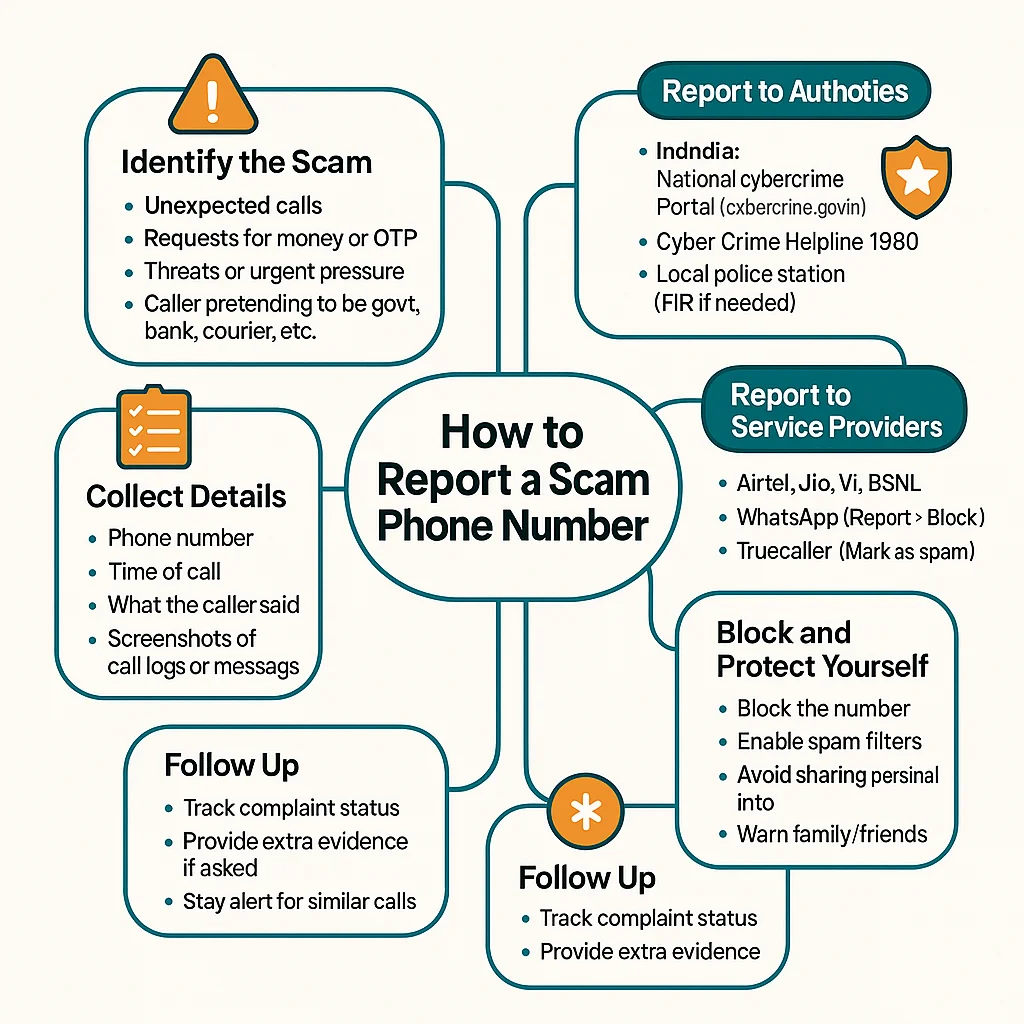
How to Report a Scam Phone Number
Every time you report a scam number, you help protect not just yourself, but thousands of others. Here’s why your report matters:
Why It’s Important to Report Scam Phone Numbers
- It Helps Authorities Identify Scammers:
Law enforcement agencies and telecom companies use reported data to track recurring scams, identify call patterns, and take legal action against fraudulent operations. - It Warns the Public:
When scam numbers are reported, many consumer protection websites, such as Truecaller, FTC, or Scamwatch, update their databases. This alerts others when those numbers call again. - It Reduces Scam Activity:
Consistent reporting leads to the suspension of phone numbers linked to scams. Over time, this disrupts the scammers’ networks. - It Creates Awareness:
Sharing your experience publicly (on forums or reporting platforms) helps people recognize and avoid similar scams.
Common Types of Phone Scams
Before you report, it’s helpful to know the different forms of scam calls you might encounter:
- Tech Support Scams:
The caller pretends to be from Microsoft, Apple, or another tech company, claiming there’s a virus on your device and asking for remote access or payment to fix it. - Bank or Credit Card Scams:
You may get a call saying your account has been compromised and asking you to “verify” details like your PIN, OTP, or card number. - Lottery or Prize Scams:
These callers tell you you’ve won a prize or money but must pay a “processing fee” first. - Government Agency Scams:
Imposters claim to be from the IRS, Social Security Administration, or police, threatening arrest or penalties if you don’t pay immediately. - Investment or Job Offer Scams:
Fraudsters lure victims with fake investment opportunities or job offers requiring an “application fee.”
Recognizing these red flags is the first step toward stopping scammers.
How to Identify a Scam Phone Number
Not all scam calls are obvious at first. Here are signs that a number might be fraudulent:
- The caller pressures you to act immediately or face consequences.
- They request sensitive information like your bank account, SSN, or password.
- The call comes from an unusual or spoofed number (for example, one that looks local but isn’t).
- The message sounds robotic or uses poor grammar.
- You’re asked to pay in gift cards, wire transfers, or cryptocurrency.
If any of these signs appear, don’t engage further — instead, document the number and report it.
How to Report a Scam Phone Number (Step-by-Step)
Reporting a scam number doesn’t take long, but it makes a real difference. Here’s how you can do it depending on where you live and which platforms you use.
1. In the United States
a. Report to the Federal Trade Commission (FTC)
- Go to reportfraud.ftc.gov.
- Choose the option for “Phone Calls” and enter the scam details — including the number, caller name, and what they said.
- You can also report text scams at donotcall.gov.
b. Report to the Federal Communications Commission (FCC)
- Visit consumercomplaints.fcc.gov.
- The FCC investigates unwanted and illegal robocalls, spoofing, and spam messages.
c. Add Your Number to the National Do Not Call Registry
While this won’t stop all scams, it helps reduce legitimate telemarketing calls, making it easier to spot frauds.
2. In the United Kingdom
a. Report to Action Fraud
- Go to actionfraud.police.uk.
- This is the UK’s national reporting center for fraud and cybercrime.
b. Contact Ofcom
- Ofcom regulates communications in the UK and investigates misuse of phone networks.
- You can submit a complaint at ofcom.org.uk.
c. Forward Scam Texts to 7726
This free service, supported by most UK carriers, allows you to forward spam or scam texts directly for analysis and blocking.
3. In India
a. Report to the National Cyber Crime Portal
- Visit cybercrime.gov.in.
- Choose “Report Other Cyber Crimes” and include details about the fraudulent call.
b. Call 1930 (National Helpline Number)
This government helpline assists victims of financial fraud and helps initiate recovery actions.
c. Report to TRAI (Telecom Regulatory Authority of India)
You can also register complaints about spam or scam calls through your mobile carrier’s app (like MyJio, Airtel Thanks, or VI).
4. Report Through Your Phone Carrier
Most major telecom companies — such as AT&T, Verizon, T-Mobile, Vodafone, or Airtel — have in-app options to report scam calls or block suspicious numbers.
- You can text “SPAM” (7726) with the scam number.
- Some providers also offer scam detection tools that label suspicious calls automatically.
5. Use Third-Party Reporting Apps
Apps like Truecaller, Hiya, and RoboKiller collect data from millions of users to identify scam numbers in real-time.
When you report a scam call through these apps, your report helps others see warnings when they get similar calls.
What to Include in Your Report
To make your report more useful to investigators, include the following details wherever possible:
- The phone number that called you
- The date and time of the call
- The name or organization the caller claimed to represent
- A brief description of what they said or asked for
- Whether you lost money or provided personal information
Even if you didn’t fall for the scam, this data can be critical in connecting dots between different fraud cases.
After Reporting: What You Should Do Next
Once you’ve reported the scam, there are a few more steps you can take to protect yourself:
- Block the Number:
Use your phone’s built-in blocking feature to prevent further calls or texts from that number. - Update Security:
If you accidentally shared personal data, change passwords, alert your bank, and monitor your accounts for unusual activity. - Warn Others:
Share your experience with family, friends, or on social media to help them recognize similar scams. - Stay Informed:
Scammers constantly change tactics. Following cybersecurity blogs, consumer protection agencies, or government advisories can help you stay ahead.
How to Prevent Future Scam Calls
While you can’t stop all scams, a few proactive measures go a long way:
- Enable call screening and spam filters on your phone.
- Avoid answering unknown numbers — let them go to voicemail.
- Never share personal information over the phone unless you initiated the call.
- Install caller ID apps that automatically flag suspicious numbers.
- Regularly update your phone software to stay protected from new threats.
Final Thoughts
Scam calls are more than just an annoyance — they’re a growing form of digital fraud that can cost victims their savings, privacy, and peace of mind.
But by learning how to recognize these scams, report them promptly, and warn others, you become part of the solution.
Every report helps build a safer digital environment. The next time your phone rings with a suspicious number, don’t just hang up — take action, report it, and help put an end to the cycle of phone scams.