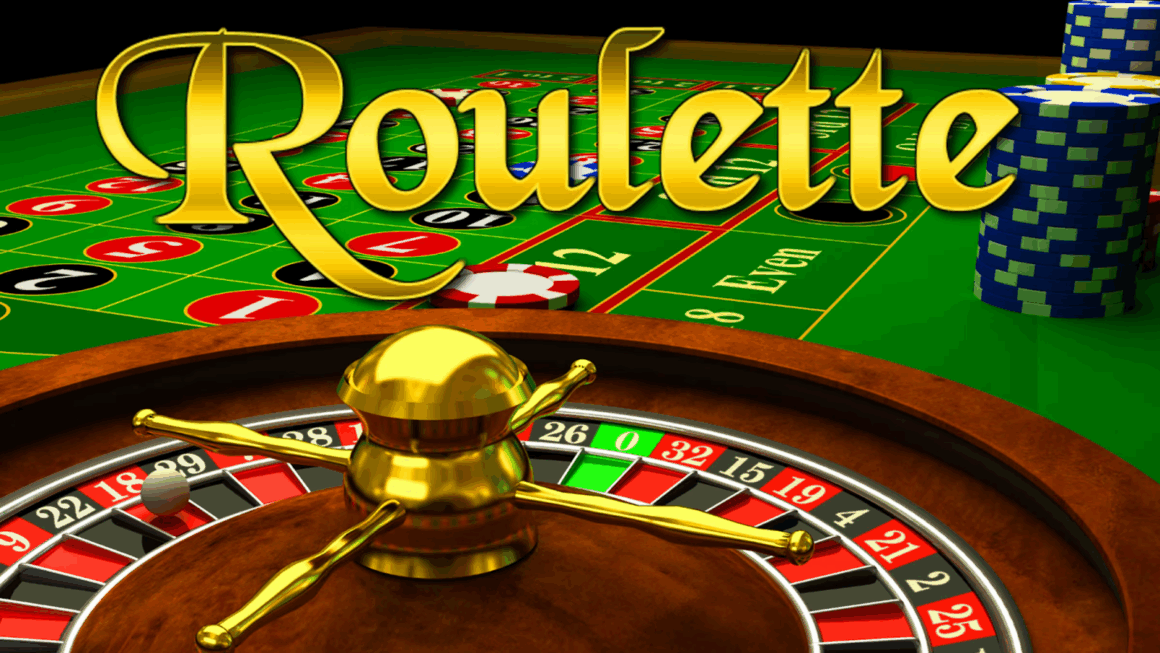
There’s a quiet kind of magic in the hum of a roulette wheel. The red and black blur together, the ball skips and slows, and for a moment the entire room seems to hold its breath. That instant of suspense — elegant, fleeting, and unpredictable — has kept roulette alive for more than three centuries.
From the grand salons of Monte Carlo to the glow of digital screens, the roulette game has always been about one thing: the dance between luck and control. And while yesterday’s players dressed in tuxedos and silk gowns, today all it takes is a alpha 888 casino login to feel that same heartbeat of chance. The charm hasn’t faded — it has simply moved online, where the spin is just as thrilling and the anticipation just as real.
Roulette endures because it mirrors human nature itself — daring, hopeful, and forever chasing that perfect moment when the ball finds its place, and destiny makes up its mind.

Origins and Evolution of Roulette
The story of roulette begins not in a casino, but in a laboratory. In the 1600s, Blaise Pascal, the French mathematician and philosopher, was experimenting with perpetual motion when he accidentally created the prototype for what would become the roulette wheel. A few decades later, French gaming houses turned his invention into a fashionable pastime among the elite.
By the 18th century, roulette had moved from secret parlors into the heart of Parisian society. Nobles bet discreetly, whispering over green tables, while the wheel spun under gaslight. When France outlawed gambling in the 19th century, two clever brothers — François and Louis Blanc — took the game to Monte Carlo. Their version, featuring a single zero, became known as European roulette and helped turn the tiny principality into a playground for the rich.
Across the Atlantic, however, American casino owners decided to tweak the formula. They added a second zero to increase profits, giving birth to American roulette — a faster, riskier cousin with a bigger house edge. Two zeros might sound small, but they changed the odds dramatically. Yet even that didn’t dull the excitement. Whether in Paris or New Orleans, roulette’s charm lay in its simplicity: one spin could make or break your night.
How the Roulette Game Works: Mechanics and Rules
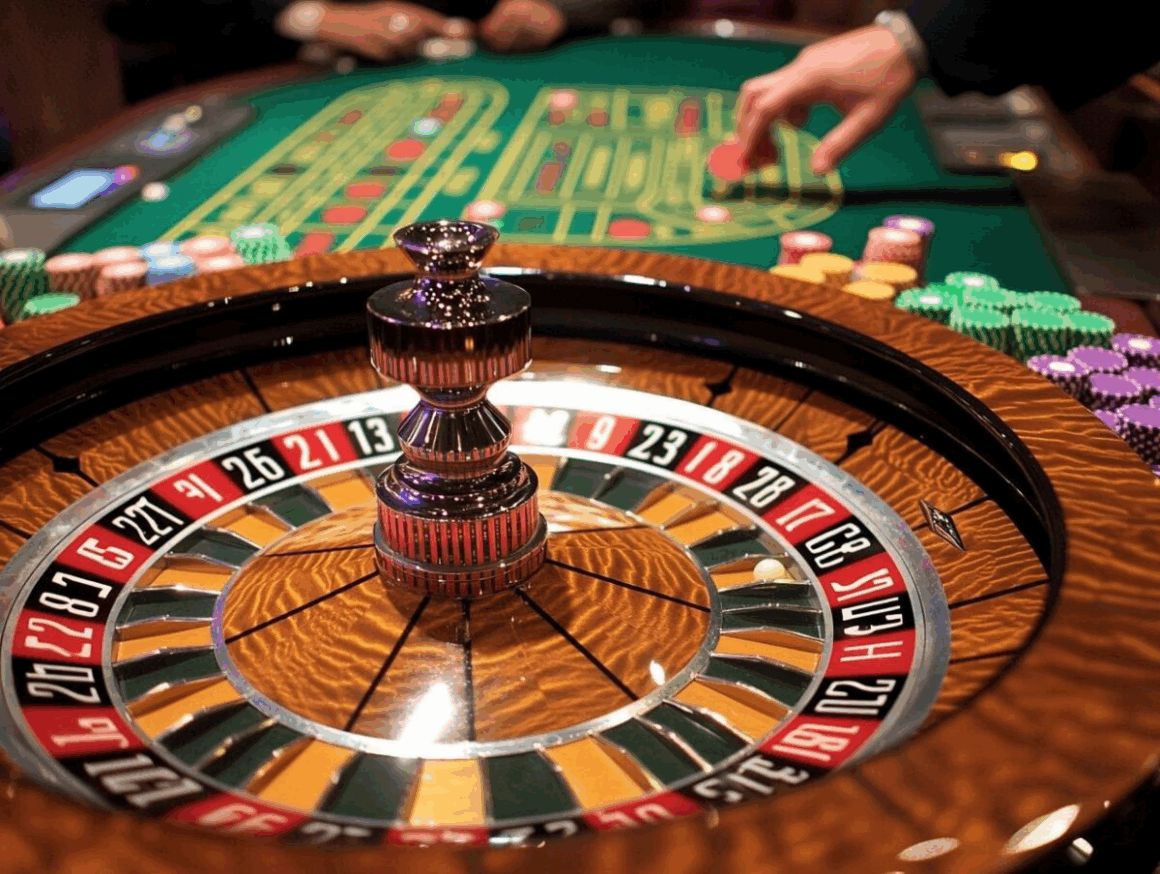
If you strip it down to the essentials, the roulette game has barely changed in 200 years. A spinning wheel, a bouncing ball, a betting layout — that’s it. But every element of the game is designed with precision, from the balanced bearings beneath the wheel to the exact weight of the ivory-like ball.
The roulette wheel is divided into red and black pockets numbered from 1 to 36, plus one or two green zeros. The dealer, known as the croupier, spins the wheel in one direction and the ball in the other. When the ball loses momentum and falls into a pocket, that number — and color — decides who wins.
Here’s a simple table to show how different bets work and what they pay out:
| Bet Type | What You’re Betting On | Payout | Odds of Winning (European) |
| Single (Straight Up) | One specific number | 35:1 | 2.7% |
| Split | Two adjacent numbers | 17:1 | 5.4% |
| Street | Three numbers in a row | 11:1 | 8.1% |
| Corner | Four connected numbers | 8:1 | 10.8% |
| Red / Black | The color outcome | 1:1 | 48.6% |
| Even / Odd | The number’s parity | 1:1 | 48.6% |
Roulette’s beauty lies in the tension between control and chaos. You can study the table, choose smart bets, even track the ball — but once that wheel starts spinning, it’s all up to chance. That’s the secret of its endurance: roulette doesn’t just test luck, it tests your relationship with it.
Variants of Roulette: European, American, French & Online
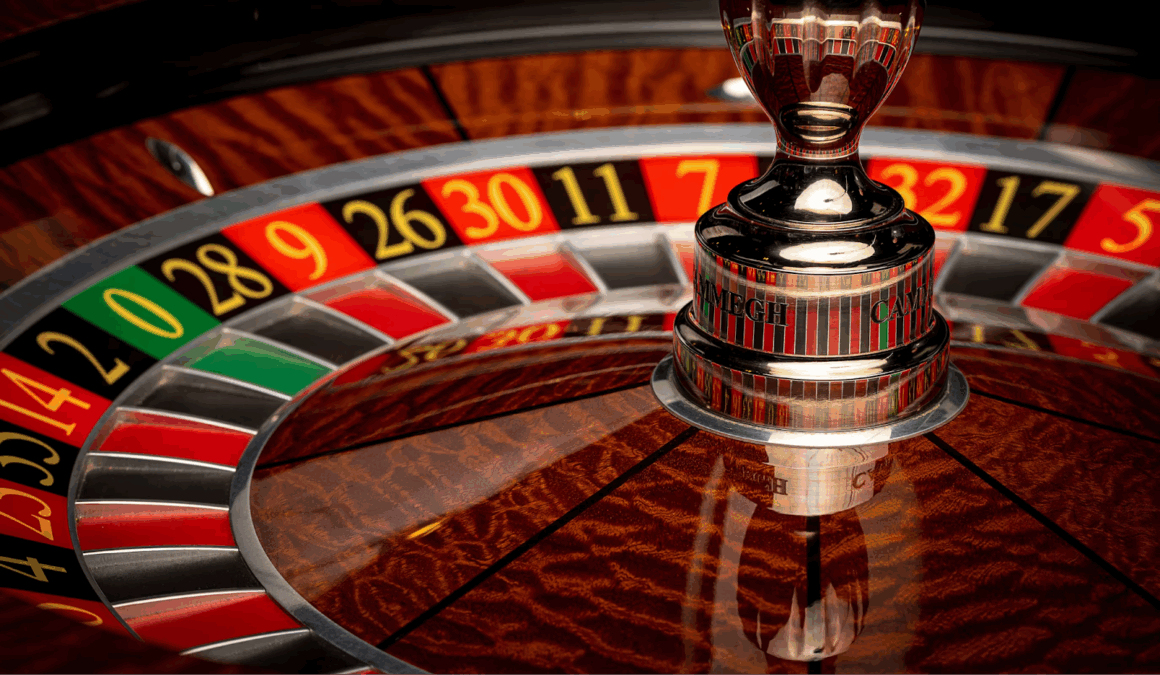
Every version of roulette tells a different story. The European wheel — elegant, balanced, and fair — is the original and still the favorite among seasoned players. With its single zero, it gives gamblers the best possible odds.
The American roulette wheel, on the other hand, is bolder and less forgiving. Its extra zero tilts the math slightly in favor of the house, but its faster rhythm and showy flair have made it a staple of Las Vegas casinos.
Then there’s French roulette, often described as the most refined of all. It includes special rules like La Partage and En Prison, which let you reclaim part of your bet if zero lands. It’s a small touch of mercy that makes the game surprisingly generous.
And now, of course, there’s a new frontier — online roulette. With platforms you can join live tables streamed from real studios, where human croupiers spin actual wheels while players from around the world place bets in real time.
Why Online Roulette Took Off:
- You can play anywhere, anytime, on any device.
- Real dealers create the atmosphere of a true casino.
- Transparent systems and certified random generators ensure fairness.
- Players get access to bonuses, tournaments, and loyalty rewards.
Technology hasn’t replaced the thrill of roulette — it has amplified it. The modern roulette game now lives in your pocket, but the feeling when the ball slows and bounces toward your number remains timeless.
Strategy, Odds, and Myths
If there’s one universal truth about roulette, it’s this: no one can predict the outcome. Yet that’s exactly what keeps people trying. For every generation, there’s a new “foolproof” strategy — and a new batch of dreamers chasing it.
Systems like Martingale (double after every loss) or Fibonacci progressions promise control over chaos, but in reality, they can’t change the odds. Roulette’s spins are independent, and no amount of pattern-watching will tilt the math in your favor. What these systems do provide, however, is rhythm — and for many players, rhythm is comfort.
As playwright David Mamet once observed: “The roulette addict, when he invariably comes to grief, does not examine either the nature of roulette, or of his delusion, but retires to develop a new system, and to scheme for more funds.” — David Mamet, Author and Playwright (Goodreads)
That quote captures it perfectly. The game isn’t about winning every time — it’s about the chase, the illusion of control, and the poetry of risk.
Myths That Refuse to Die:
- Hot and cold numbers exist. They don’t. Each spin is independent.
- You can read the wheel. Maybe in 1890, not now — modern wheels are engineered to perfection.
- Online roulette is rigged. Not on licensed sites that publish audit reports.
- Double your bet and you’ll recover losses. Sooner or later, table limits or bankrolls hit back.
Roulette remains a game of chance, but also of atmosphere, psychology, and grace. You don’t play roulette to control fate — you play to meet it halfway.
The Roulette Wheel: Physics, Bias, and Casino Control
At a glance, the roulette wheel looks like a simple device — red and black numbers circling a polished spindle. But beneath that polished surface lies a masterpiece of balance, symmetry, and physics.
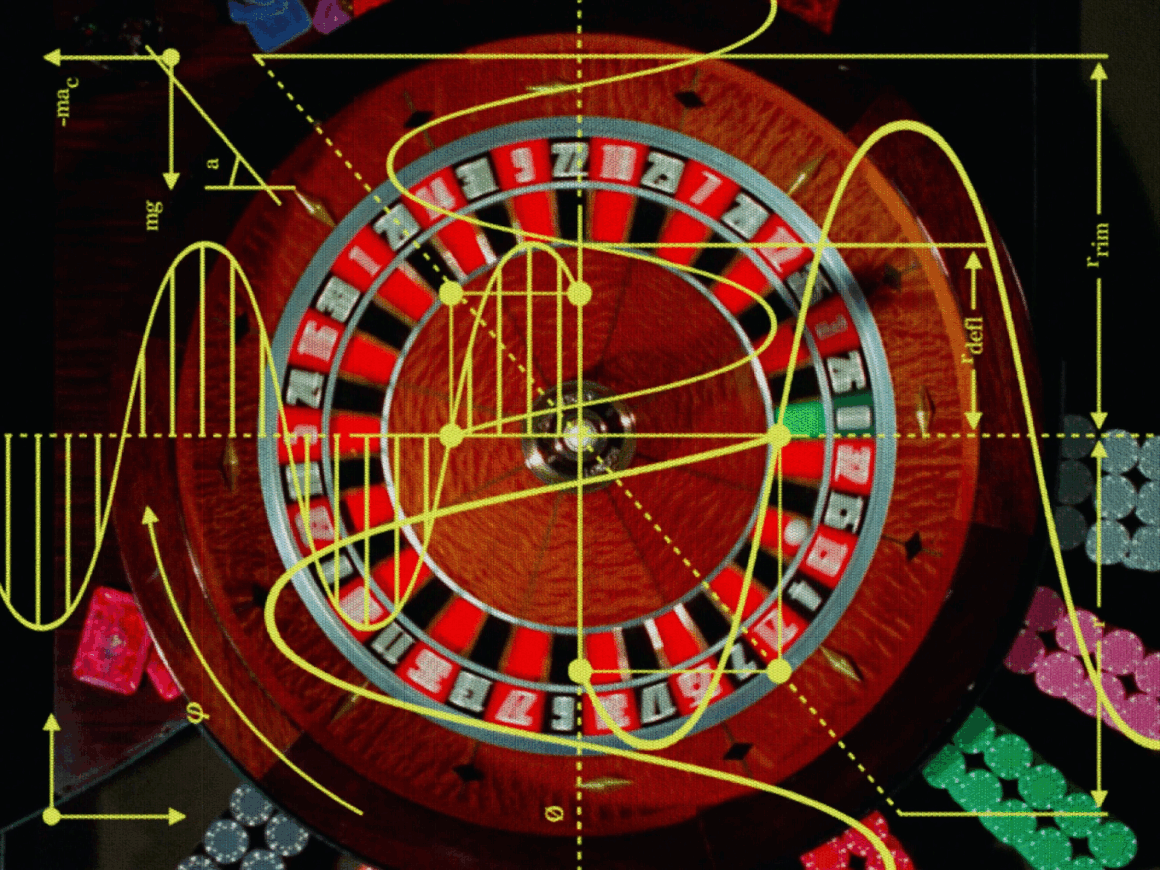
Each wheel is meticulously engineered to eliminate bias. The ball track, pockets, and frets are measured down to fractions of a millimeter. Casinos check them daily, ensuring every spin is truly random. But in earlier eras, not every wheel was perfect. Some developed subtle mechanical flaws — a slightly uneven rim, a dented pocket, or a spindle leaning just a hair to one side.
Professional gamblers once hunted for these imperfections. In the 1980s, a British team led by engineer Doyne Farmer used physics and concealed computers to predict where the ball might land, earning small fortunes before casinos tightened surveillance. A study from Cambridge University later confirmed that even modern roulette wheels, when misaligned by as little as one degree, can produce patterns over thousands of spins.
To combat that, casinos constantly rotate wheels, swap out balls, and recalibrate the bearings. A fair roulette game depends on balance — both mechanical and moral. After all, the illusion of pure chance is what makes the game feel alive.
The Modern Landscape: Online Roulette Game and Regulation
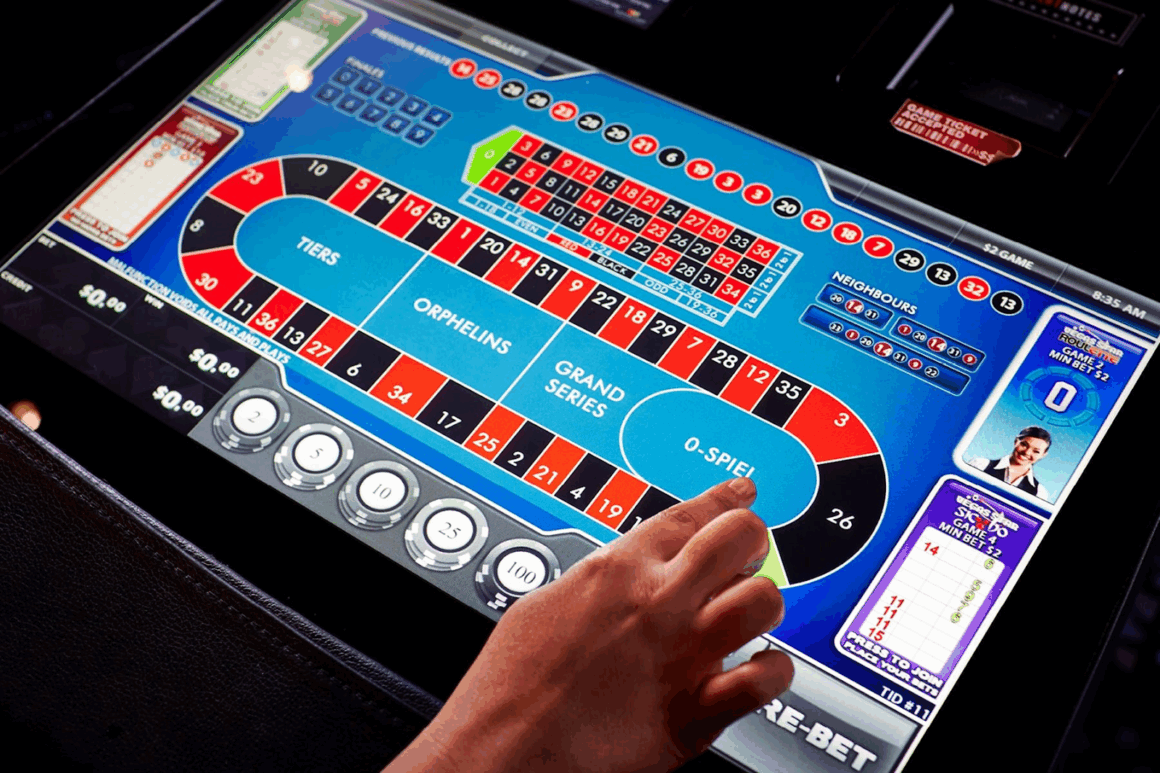
Today, you don’t need a tuxedo or a ticket to Monte Carlo to feel the thrill of a roulette game. With one click, players from every continent can log into live casinos, spin virtual wheels, and chat with real dealers. Technology hasn’t killed tradition — it’s reinvented it.
Modern platforms stream high-definition games with human croupiers, real wheels, and instant payouts. Behind the glamour lies a complex web of regulation. Licensed online casinos must use random number generators tested by third-party labs and hold certifications from gaming authorities like Malta or Gibraltar.
But not all digital roulette tables are created equal. Reputable platforms disclose their payout percentages, support responsible gambling, and offer transparent rules. A good online casino mirrors the etiquette of a real one — fairness, discipline, and excitement in equal measure.
The transition from smoky halls to digital screens hasn’t dulled the allure. Whether you’re playing for $5 or $500, that quiet heartbeat before the ball lands is the same. It’s the universal moment of suspense that defines roulette.
Responsible Play and Final Thoughts
Every spin of the roulette wheel tells a small story about human nature. We know the odds, yet we keep playing — not just for money, but for the feeling. The heartbeat, the silence, the brief illusion that destiny can be persuaded.
But even the most thrilling games demand respect. Responsible play means setting limits, understanding probability, and walking away when the fun fades. It’s not weakness — it’s wisdom. The best players don’t chase losses; they chase moments.
Roulette is, in many ways, a mirror. It reflects who we are when faced with chance — hopeful, daring, and endlessly curious. And that’s why, from Pascal’s first spinning wheel to today’s virtual tables, the roulette game has never stopped turning.
Conclusion
The roulette wheel isn’t just a gambling device. It’s a symbol — of risk, beauty, and the eternal dance between luck and logic. The roulette game has survived revolutions, technology, and time itself because it speaks to something deeper in us: the dream of control over the uncontrollable.
In the end, roulette isn’t about beating the odds. It’s about savoring them.
FAQ: Your Roulette Questions Answered
1. What’s the main difference between European and American roulette?
European roulette has one zero, while American roulette has two. That extra zero increases the house edge from 2.7% to 5.26%, which means European roulette offers slightly better odds for players.
2. Can you actually beat the roulette game with a system?
No system can change the math behind roulette. Strategies like Martingale or Fibonacci can help manage your bankroll, but they don’t influence the wheel’s outcome. The game is built on independent spins.
3. Is online roulette fair?
Licensed casinos use certified random number generators (RNGs) and are audited regularly. As long as you play on reputable sites online roulette can be just as fair as the physical version.
4. What are the odds of hitting a single number on a roulette wheel?
In European roulette, the chance of hitting one specific number is 1 in 37 — about 2.7%. The payout, however, is 35 to 1, which is why the game remains so enticing.
5. What’s the best roulette variant for beginners?
Start with European roulette. Its single-zero layout makes it more forgiving, and the pace allows you to learn the bet types without pressure. Avoid double-zero wheels until you’re confident.