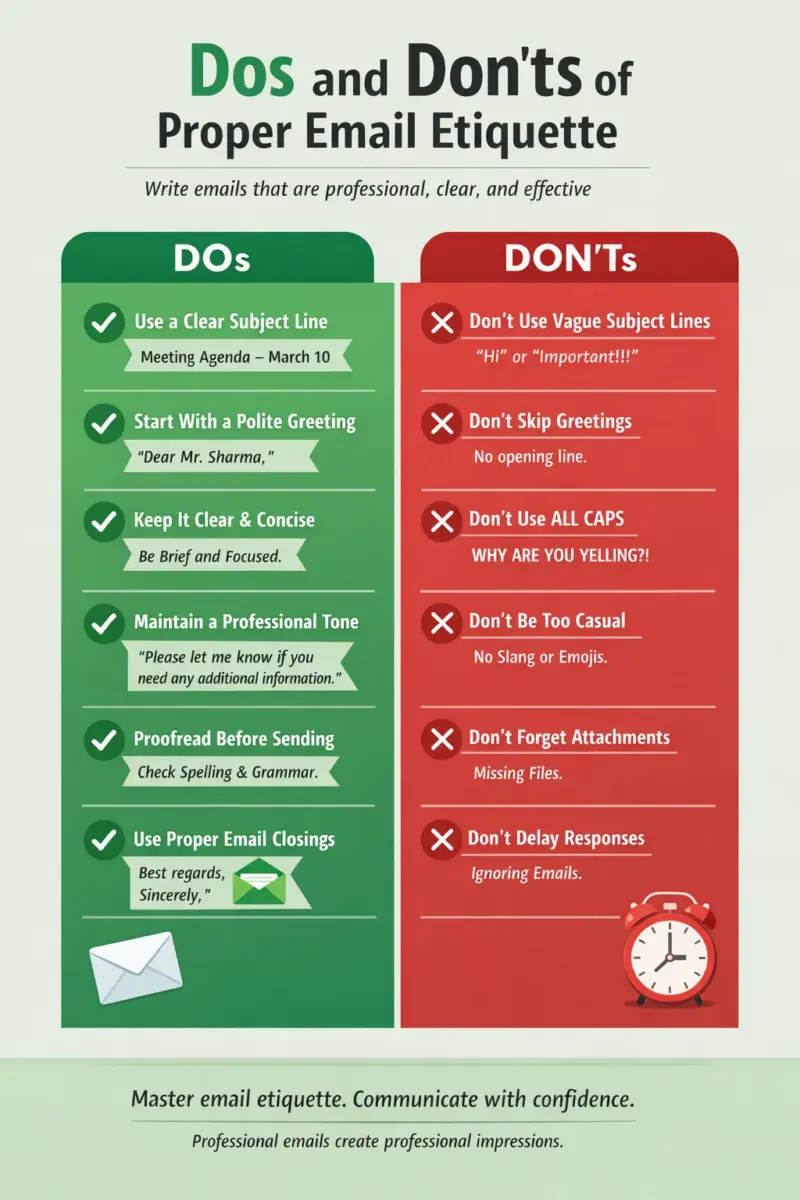
Learning how to say no professionally in an email is a crucial skill for effective communication. Whether you’re in a professional setting or personal life, saying “no” can be tough. However, it is necessary to maintain your boundaries, manage your workload, and maintain healthy relationships. In this article, we’ll explore some effective strategies for saying no professionally in an email.

Saying “no” is not easy, but it’s an essential skill that can help you avoid burnout, manage your time effectively, and communicate your boundaries. In many cases, saying “no” is the best option. However, it’s important to do so professionally, especially when it comes to emails.
Read more> How to reject a task politely in email
When it comes to emails, saying no can be a bit more challenging than in person. The written word can come across as cold or impersonal, so it’s important to be careful with your tone and word choice.
In this article, we’ll discuss some strategies for saying no professionally in an email, so you can communicate your message effectively without damaging relationships or coming across as unprofessional.
How to Say No Professionally in an Email
1. Express gratitude: Always start by expressing gratitude for the opportunity or the request. For example, “Thank you for considering me for this project.”
2. Be clear and concise: Be clear and concise in your response. Avoid beating around the bush or being too vague. State your answer clearly and directly, such as “Unfortunately, I am not able to take on this project at this time.”
3. Offer alternatives or solutions: If possible, offer alternatives or solutions to the request. For example, “While I’m unable to take on this project, I can recommend someone else who may be able to help.” Or “I won’t be able to attend the meeting, but I can send you a summary of my thoughts beforehand.”
4. Explain your reasoning: If appropriate, explain your reasoning for saying no. Be honest, but avoid being too detailed or defensive. For example, “I have a full workload at the moment and don’t want to compromise the quality of my work.”
5. End on a positive note: Always end on a positive note, such as “Thank you again for considering me for this opportunity. I look forward to working together in the future.”
In conclusion, learning how to say no professionally in an email is an essential skill for effective communication. By expressing gratitude, being clear and concise, offering alternatives or solutions, explaining your reasoning, and ending on a positive note, you can communicate your message effectively without damaging relationships or coming across as unprofessional.
Remember that saying no doesn’t have to be negative or confrontational, and with practice, you can become comfortable with setting and maintaining your boundaries.
Recommended | How to make a business email address
FAQs:
Q: Why is it important to say no professionally in an email?
A: Saying no professionally in an email is important because it helps you maintain your boundaries, manage your workload, and communicate effectively. It’s also crucial to maintaining healthy relationships, both personally and professionally.
Q: What are some strategies for saying no professionally in an email?
A: Some strategies for saying no professionally in an email include expressing gratitude, being clear and concise, offering alternatives or solutions, and explaining your reasoning.
Q: What should I avoid when saying no in an email?
A: Avoid being too blunt or dismissive, making excuses, or over-explaining. It’s also important to avoid being defensive or argumentative.
See Also