Since the early 2000s, the global economy underwent a disheartening recession characterized by stagnant wages amidst soaring living costs. The onset of 2020 further exacerbated this scenario with the unprecedented devastation wrought by the COVID-19 pandemic.
Trade stagnated, economies teetered on the brink, and both individuals and organizations grappled with financial turmoil.
Yet, amid this turmoil, a glimmer of hope emerged – data science. In these precarious times, the significance of data escalated dramatically.
In the right hands, data could be wielded to yield precise and efficient predictions, a capability of immense value to both commercial enterprises and the public sector.
As reliance on data becomes increasingly pivotal, roles pertaining to its utilization are anticipated to grow more lucrative.
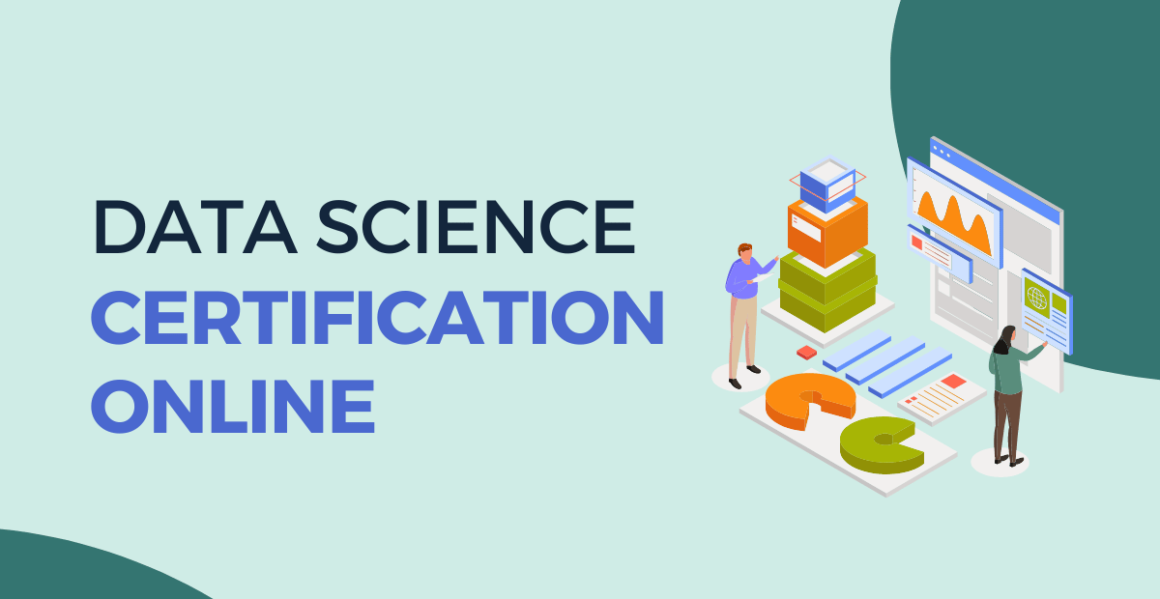
Thus, the demand for data education is poised to surge. Professionals and students alike, thus started to diversify with a data science certification online.
Setting the Stage: An Overview
Established institutions have long spearheaded data science education, nurturing generations of students into accomplished professionals.
These institutions are intrinsically linked to the demands of contemporary industries and the public sector, ensuring graduates are well-equipped to navigate the professional landscape.
While the educational opportunities are limited, this alignment often facilitates swift career placements for budding data scientists.
Despite the relatively small data science community, professionals are attuned to the challenges newcomers might face, fostering an environment conducive to networking and support.
By cultivating connections early on, professionals can smoothly transition within their careers, thus ensuring long-term sustainability.
Embracing the Online Advantage
In the year 2023, the educational landscape witnessed an unprecedented surge in the availability and popularity of online courses across various disciplines.
Notably, the field of data science emerged as a prominent player in this online learning revolution.
The allure of online learning lies in its adaptability and convenience, a characteristic particularly advantageous for those aiming to venture into the world of data science.
A Self-Paced Journey: Catering to Individual Learning Needs
Online learning, at its core, offers a self-paced approach that resonates with diverse learning styles and paces.
In the context of data science, a domain often laden with intricate concepts and methodologies, the ability to move through the material at one’s rhythm is invaluable.
Unlike traditional classroom settings, a data science certification online provides the freedom to revisit complex topics, ensuring a thorough grasp before proceeding.
This personalized approach can be a saving grace, especially when tackling multifaceted subjects like machine learning algorithms or statistical modelling.
Balancing Act: Tailoring Learning to Your Schedule
The flexibility intrinsic to online courses is a resounding victory for professionals striving to strike a harmonious equilibrium between their existing commitments and educational aspirations.
The allure of data science, with its promise of transformative insights from data, has captured the attention of individuals across various industries.
These aspiring data scientists, often juggling full-time jobs and familial responsibilities, find solace in the fact that online courses allow them to chart their learning trajectory around their existing schedules.
Imagine a mid-career professional seeking to augment their skill set with data science expertise.
With a 9-to-5 job and familial obligations, attending traditional classes might be an insurmountable challenge.
This is where online courses swoop in as a saviour, enabling them to engage with course material during pockets of availability.
Whether it’s a late-night study session after putting the kids to bed or a weekend deep dive into a challenging module, the flexibility of online learning moulds itself into the student’s daily life.
Revitalizing Careers: A Second Act with Data Science
For seasoned professionals entrenched in their careers, the allure of data science beckons as a promising avenue for rejuvenation.
The intricacies of data analytics, machine learning, and predictive modelling present a stimulating intellectual challenge.
Moreover, data-driven decision-making has become integral to contemporary business strategies across industries, rendering data science skills exceptionally valuable.
The Ideal Data Science Course: Navigational Strategies
Amidst the abundance, identifying the best data science certification online can be akin to finding a needle in a haystack.
Many institutions appear to offer comparable content for similar fees, creating a perplexing choice for students.
To ensure a wise selection and a promising educational experience, adhering to a set protocol is imperative.
This section delineates a comprehensive guideline for aspiring data scientists to navigate their course selection journey.
Transparency: A Cornerstone of Trust
A reputable institute must uphold transparency as a fundamental principle. Providing prospective students with ample access to pertinent information and contact points demonstrates a commitment to fostering informed decisions.
An esteemed institution should divulge comprehensive details about its offerings, aiding potential students in making well-informed enrollment choices.
Honesty and transparency should be the hallmark of a diligent and reputable institute, without any attempt to obfuscate critical information or fees.
Any hint of concealment must be met with skepticism, prompting potential students to steer clear of institutions that do not meet this standard.
The Faculty: Architects of Excellence
The faculty assumes a pivotal role in shaping and delivering the curriculum. In long-standing institutions, faculty members typically possess a wealth of experience in nurturing students into proficient professionals.
Their expertise often culminates in seamlessly placing entire cohorts into relevant internships and job opportunities.
Moreover, the robust network of alumni maintains a symbiotic relationship with industry demands, ensuring the curriculum remains aligned with contemporary trends.
A curriculum devised and dispensed by experienced faculty is inherently attuned to industry requisites, a cornerstone for developing competencies pertinent to the real world.
The Weight of Promises
For fledgling entities seeking swift financial gains, crafting grandiose yet hollow promises can be alluring. Fabricated commitments come at a negligible cost and are conveniently forgotten.
These illusory assurances serve as bait, luring in eager students without the intention of fulfillment. However, a discerning student evaluating institutions through their promises must exercise vigilant scrutiny.
A premier data science program maintains a commitment to feasibly attainable promises, diligently endeavoring to fulfill them.
Honest institutions recognize that their longevity hinges on word integrity and pledge fulfillment.
Aspiring data scientists should prioritize pragmatism and feasibility over grandeur, seeking institutions that embody humility and tangible commitment.
Crafting a Relevant Curriculum
The cornerstone of an exceptional data science certification online lies in a curriculum meticulously tailored to industry demands.
A curriculum grounded in practical utility empowers students to make informed decisions about their educational trajectory.
The alignment of the syllabus with industry needs and trends ensures learners acquire skills of immediate applicability.
When scouring for a worthy program in data science, aspiring students must critically assess the syllabus vis-à-vis contemporary industry requisites.
Informed selection based on industry alignment is paramount, safeguarding against illusory promises and potential future setbacks.
Conclusion
Undertaking a worthy and updated data science certification online can be rife with opportunities, but also challenges.
Navigating this terrain demands a strategic approach rooted in transparency, faculty expertise, achievable promises, and relevant curricula.
As the realm of data science gains ever greater prominence in a data-driven world, aspiring professionals must exercise due diligence to identify courses that pave the way for a successful and impactful career journey.
By adhering to the principles elucidated in this guide, students can embark on an educational voyage armed with confidence and the tools necessary for future excellence.
![How to Remove Hesitation While Speaking English Step by Step If you're wondering exactly how to remove hesitation while speaking English, follow these practical steps. 1. Start Speaking Before You Feel Ready Many learners wait until their grammar becomes perfect. That day never comes. Start speaking with the English you already know. Instead of saying: "I will start speaking English after improving my vocabulary." Say: "I will improve my vocabulary by speaking English." 2. Speak in Short Sentences First Long sentences increase mental pressure. Start with simple structures: I work in sales. I live in Lucknow. I enjoy reading books. I am learning English every day. Confidence grows faster when you can complete sentences smoothly. 3. Practice Speaking Out Loud Daily Speaking silently in your mind is not enough. Read articles, stories, or conversations aloud for 10-15 minutes every day. This trains your mouth and brain to work together. [INTERNAL LINK: daily spoken English practice routine for beginners] 4. Record Yourself Speaking Most students avoid recording themselves because it feels uncomfortable. However, it is one of the fastest ways to improve. Choose a simple topic: My job My hometown My daily routine My future goals Record for one minute and listen carefully. You will quickly identify: Frequent pauses Pronunciation issues Repeated words 5. Think in English Instead of translating, start creating simple thoughts directly in English. For example: While drinking tea, think: This tea is hot. I need to finish my work. The weather is pleasant today. Small habits create big improvements. Stop Translating in Your Head One major reason behind hesitation is mental translation. Why Translation Creates Delays Imagine someone asks: "What did you do yesterday?" If your brain follows this path: Hindi → English Translation → Grammar Check → Speak You will hesitate. Instead, train yourself to answer directly: "I visited my friend." "I watched a movie." "I completed a project." A Simple Exercise For 5 minutes daily: Look around your room and describe objects in English. Examples: The fan is running. My laptop is on the table. I need to clean this shelf. This helps your brain create English thoughts naturally. [INTERNAL LINK: how to think in English without translating] Build Speaking Confidence With Daily Practice Confidence does not come before speaking. Confidence comes from speaking repeatedly. Student Story #1 One of my students, a software engineer from Pune, understood English very well but hesitated badly during meetings. Whenever someone asked a question, he would spend several seconds forming the perfect answer. I encouraged him to focus on communicating rather than being perfect. Within six weeks of daily speaking practice, his hesitation reduced dramatically and he became much more active in discussions. Student Story #2 I remember teaching a customer support executive who constantly said "umm..." and "actually..." before every sentence. We practiced one-minute speaking exercises every day for a month. By replacing filler words with brief pauses and improving speaking confidence, she started speaking much more naturally during client calls. In my experience teaching hundreds of Indian learners, hesitation decreases fastest when students practice speaking consistently rather than studying grammar for hours. Common Mistakes That Increase Hesitation Many learners unknowingly make these mistakes. Mistake Result Translating every sentence Slow speech Trying to sound perfect Increased anxiety Memorizing without speaking Low confidence Fear of mistakes Longer pauses Comparing yourself to fluent speakers Reduced motivation Avoiding conversations No real improvement Avoiding these habits can significantly improve your fluency. Useful English Phrases When You Get Stuck Even fluent speakers sometimes need a moment to think. Instead of becoming silent, use these phrases. When You Need Time to Think That's an interesting question. Let me think for a moment. As far as I know... From my experience... When You Don't Understand Instead of saying: "What?" Say: Could you please repeat that? Sorry, I didn't catch that. Could you say that again? When You Forget a Word Try: I'm not sure of the exact word, but... What I mean is... Let me explain differently. These phrases help maintain the flow of conversation. [INTERNAL LINK: useful English phrases for daily conversation] 15 Practical Tips to Remove Hesitation Quickly Here are some practical strategies you can start today: Speak English for at least 15 minutes daily. Stop waiting for perfect grammar. Think in English during routine activities. Record your voice regularly. Read aloud every day. Learn useful speaking phrases. Join English conversation groups. Talk to yourself in English. Practice answering common interview questions. Focus on communication, not perfection. Improve pronunciation gradually. Watch English content actively. Shadow native speakers. Celebrate small improvements. Speak even when you feel nervous. The goal is progress, not perfection. A Simple 15-Minute Daily Routine to Reduce Hesitation If you're busy, follow this routine. Minutes 1-5: Read Aloud Choose any English article or story. Focus on: Clear pronunciation Natural pace Confidence Minutes 6-10: Speak on a Topic Choose one topic: My family My career My favorite movie My goals Speak continuously. Do not stop for mistakes. Minutes 11-15: Think and Describe Describe: Your room Your surroundings Your plans Only in English. Do this consistently for 30 days and you will notice a visible reduction in hesitation. [INTERNAL LINK: best daily English speaking exercises at home] What to Do During Interviews or Meetings Many learners hesitate most during professional situations. Try these strategies: Slow Down Slightly Speaking slowly is better than speaking nervously. A calm pace sounds more confident. Focus on the Message Your goal is communication, not perfection. Interviewers care more about clarity than flawless grammar. Use Familiar Vocabulary Don't force difficult words. Simple English spoken confidently creates a stronger impression. Example: Instead of: "I possess exceptional interpersonal communication capabilities." Say: "I communicate well with people and enjoy teamwork." The second version sounds more natural and confident. How Long Does It Take to Remove Hesitation? The answer depends on your current level and practice consistency. Most learners notice improvement within: 2-4 weeks of daily practice 2-3 months of regular speaking 6 months of consistent conversation practice In over 8 years of teaching spoken English, I've noticed that students who speak daily improve much faster than students who only study grammar and vocabulary. Consistency beats intensity every time. Conclusion Learning how to remove hesitation while speaking English is not about becoming perfect overnight. It is about speaking regularly, making peace with mistakes, and training yourself to think and respond in English naturally. Start with just 15 minutes of daily speaking practice. Over time, your confidence will grow, your pauses will reduce, and speaking English will begin to feel much more natural. If you try any of the techniques from this article, share your experience in the comments and let us know what helped you most. Frequently Asked Questions Can hesitation while speaking English be completely removed? Yes, hesitation can be reduced significantly through regular speaking practice, confidence-building exercises, and thinking in English instead of translating. Even fluent speakers pause occasionally, but frequent hesitation can be overcome with consistency. Why do I hesitate even when I know English? This usually happens because of fear of mistakes, overthinking grammar, lack of speaking practice, or translating from your native language before speaking. How can I remove hesitation while speaking English at home? Practice reading aloud, record yourself speaking, talk to yourself in English, and describe daily activities in English. Just 15 minutes a day can make a noticeable difference. Does grammar cause hesitation? Sometimes, but not always. More often, hesitation comes from fear of making grammar mistakes rather than actual grammar weakness. How long does it take to speak English confidently? Many learners notice improvement within a few weeks of daily practice. Significant confidence usually develops over a few months of regular speaking. Is it okay to make mistakes while speaking English? Absolutely. Mistakes are a natural part of learning. Every fluent speaker made countless mistakes before becoming confident. FAQ Schema-ready Q&A Pairs Question: Can hesitation while speaking English be completely removed? Answer: Yes, hesitation can be reduced significantly through regular speaking practice, confidence-building exercises, and thinking in English instead of translating. Consistent practice helps develop fluency and confidence over time. Question: Why do I hesitate even when I know English? Answer: Most learners hesitate because of fear of making mistakes, overthinking grammar, lack of speaking practice, or translating from their native language before speaking. Question: How can I remove hesitation while speaking English at home? Answer: Practice reading aloud, record your voice, talk to yourself in English, and describe your surroundings in English daily. These exercises help build fluency and confidence. Question: Does grammar cause hesitation while speaking English? Answer: Grammar can contribute to hesitation, but fear of making grammar mistakes is often a bigger issue. Focusing on communication rather than perfection helps reduce hesitation. Question: How long does it take to speak English confidently? Answer: Many learners see improvement within 2-4 weeks of consistent practice. Strong confidence and fluency typically develop over several months of regular speaking. Question: Is it okay to make mistakes while speaking English? Answer: Yes. Making mistakes is a normal part of language learning. Every fluent speaker makes mistakes while learning, and speaking regularly is more important than speaking perfectly.](https://spokenenglishtips.com/wp-content/uploads/2026/06/How-to-Remove-Hesitation-While-Speaking-English-Step-by-Step-800x533.webp)