Discover the benefits and importance of reading books in this blog post. Learn about the positive impact it can have on your knowledge, mental health, and personal growth. Get inspired to make reading a regular part of your daily routine.
According to a Pew Research Center survey, about a quarter of American adults (24%) haven’t read a book in whole or in part in the past year.
Reading for just 6 minutes can reduce stress levels by 68%, according to a study by the University of Sussex.
People who read books regularly live an average of 2 years longer than those who don’t, according to a study published in Social Science & Medicine.
Why Reading Books is Important
Importance of Reading Books
Reading books has been a cherished activity for centuries, and for good reason. Beyond providing entertainment, books are an essential tool for personal growth, knowledge acquisition, and empathy development.
In fact, the human brain is wired for reading, and research shows that regular reading can positively affect our behavior.
One of the primary benefits of reading is knowledge acquisition. Reading books allows us to learn about different perspectives, cultures, and ideas.
“A reader lives a thousand lives before he dies, said Jojen. The man who never reads lives only one.” – George R.R. Martin
Learn English Reading >> Readings World
This broadens our understanding of the world and enhances our critical thinking skills. Additionally, reading can improve our vocabulary and communication skills, which can have a significant impact on our personal and professional lives.
Reading also has a profound effect on our behavior and emotional health. Studies have shown that reading can help reduce stress levels, improve mental health, and increase empathy.
By immersing ourselves in the stories and experiences of others, we are better able to understand and relate to people from different backgrounds. This fosters a sense of connection and community, which is essential for personal and societal growth.
Moreover, reading is an excellent tool for developing our imagination and creativity. By exploring new ideas and worlds through literature, we can expand our imagination and challenge our beliefs. This not only improves our cognitive abilities but also promotes personal growth and self-awareness.
In conclusion, reading is an essential tool for personal and societal development. It helps us acquire knowledge, develop empathy, and foster creativity. By making reading a regular habit, we can improve our behavior, mental health, and overall quality of life.
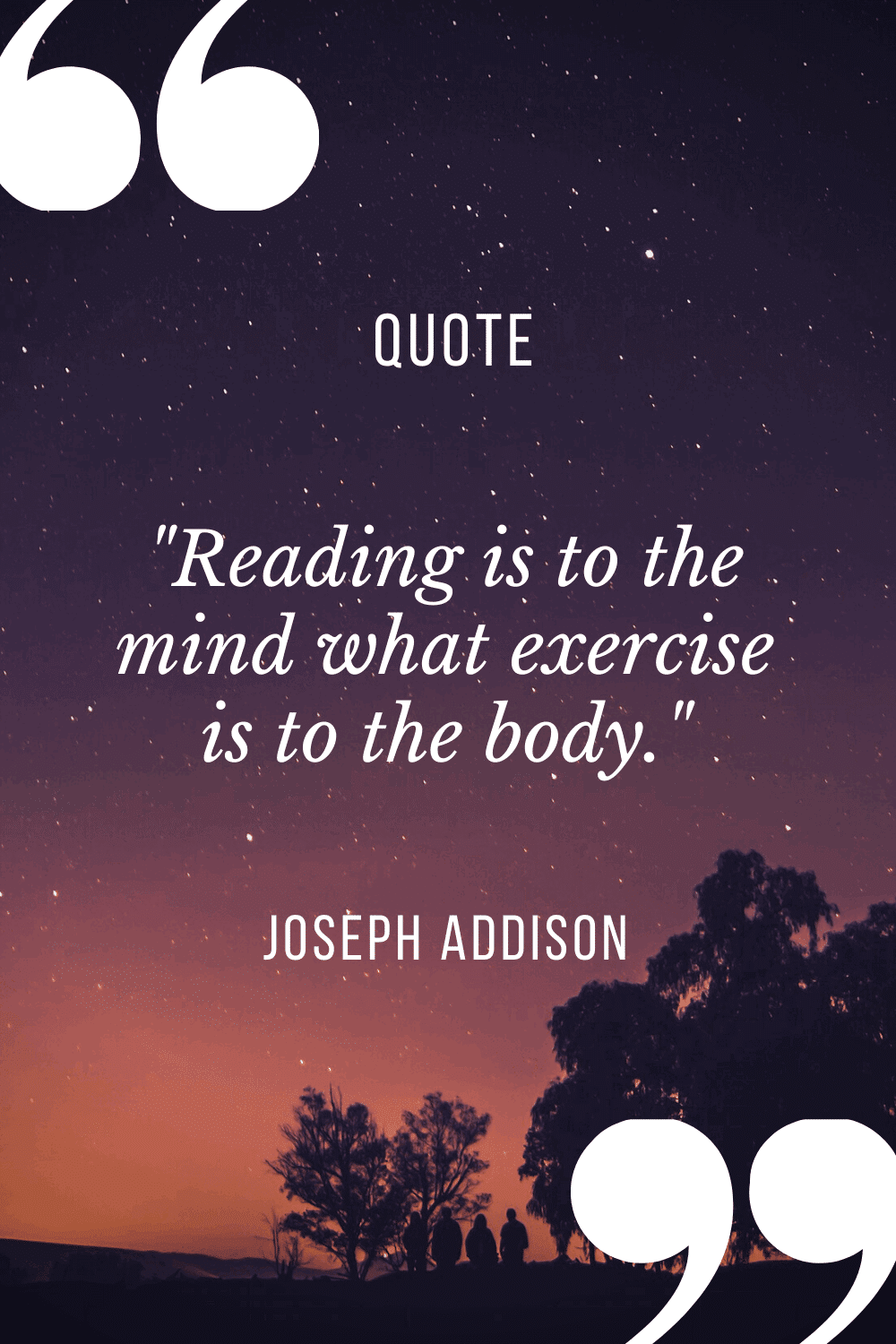
“The more that you read, the more things you will know. The more that you learn, the more places you’ll go.” – Dr. Seuss
Why are books so important?
Books are important because they provide a means of acquiring knowledge, expanding our imagination, and connecting with others. Reading allows us to explore new worlds, learn from different perspectives, and improve our critical thinking skills. It is a powerful tool for personal and societal growth.
Importance of Reading Books Infographic
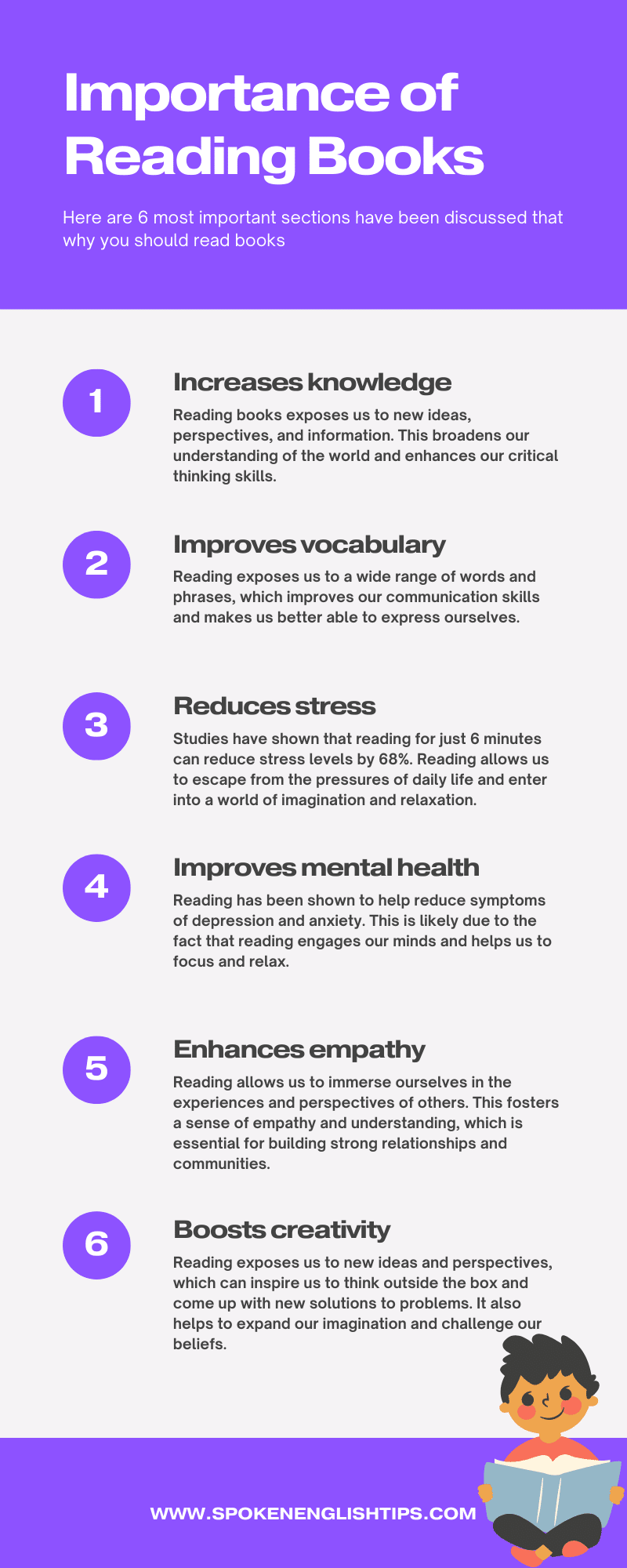
Here are the benefits of reading books:
| Benefit | Logic |
|---|---|
| Increases knowledge | Reading books exposes us to new ideas, perspectives, and information. This broadens our understanding of the world and enhances our critical thinking skills. |
| Improves vocabulary | Reading exposes us to a wide range of words and phrases, which improves our communication skills and makes us better able to express ourselves. |
| Reduces stress | Studies have shown that reading for just 6 minutes can reduce stress levels by 68%. Reading allows us to escape from the pressures of daily life and enter into a world of imagination and relaxation. |
| Improves mental health | Reading has been shown to help reduce symptoms of depression and anxiety. This is likely due to the fact that reading engages our minds and helps us to focus and relax. |
| Enhances empathy | Reading allows us to immerse ourselves in the experiences and perspectives of others. This fosters a sense of empathy and understanding, which is essential for building strong relationships and communities. |
| Boosts creativity | Reading exposes us to new ideas and perspectives, which can inspire us to think outside the box and come up with new solutions to problems. It also helps to expand our imagination and challenge our beliefs. |
Importance of Reading Books To Your Children
Enhances language development: Reading books to your children helps them develop their language skills. They learn new words, sentence structures, and expressions that they may not encounter in their daily conversations.
Exposure to a wide variety of vocabulary and language patterns can help them become better communicators.
Fosters a love for reading: Children who are read too regularly are more likely to enjoy reading and see it as a fun activity.
This can lead to a lifelong love of reading, which can open up a world of knowledge and opportunities for them.
Improves cognitive development: Reading books to your children can help improve their cognitive development. As they listen to stories and follow along, they develop their attention span, memory, and critical thinking skills.
Builds emotional bonds: Reading books to your children can be a special time for bonding and creating emotional connections. Snuggling up together with a good book can create a sense of comfort and security for your child.
Increases imagination and creativity: Reading books to your children can help spark their imagination and creativity. As they listen to stories, they can imagine the characters, settings, and plot in their minds, which can help them develop their own creative thinking skills.
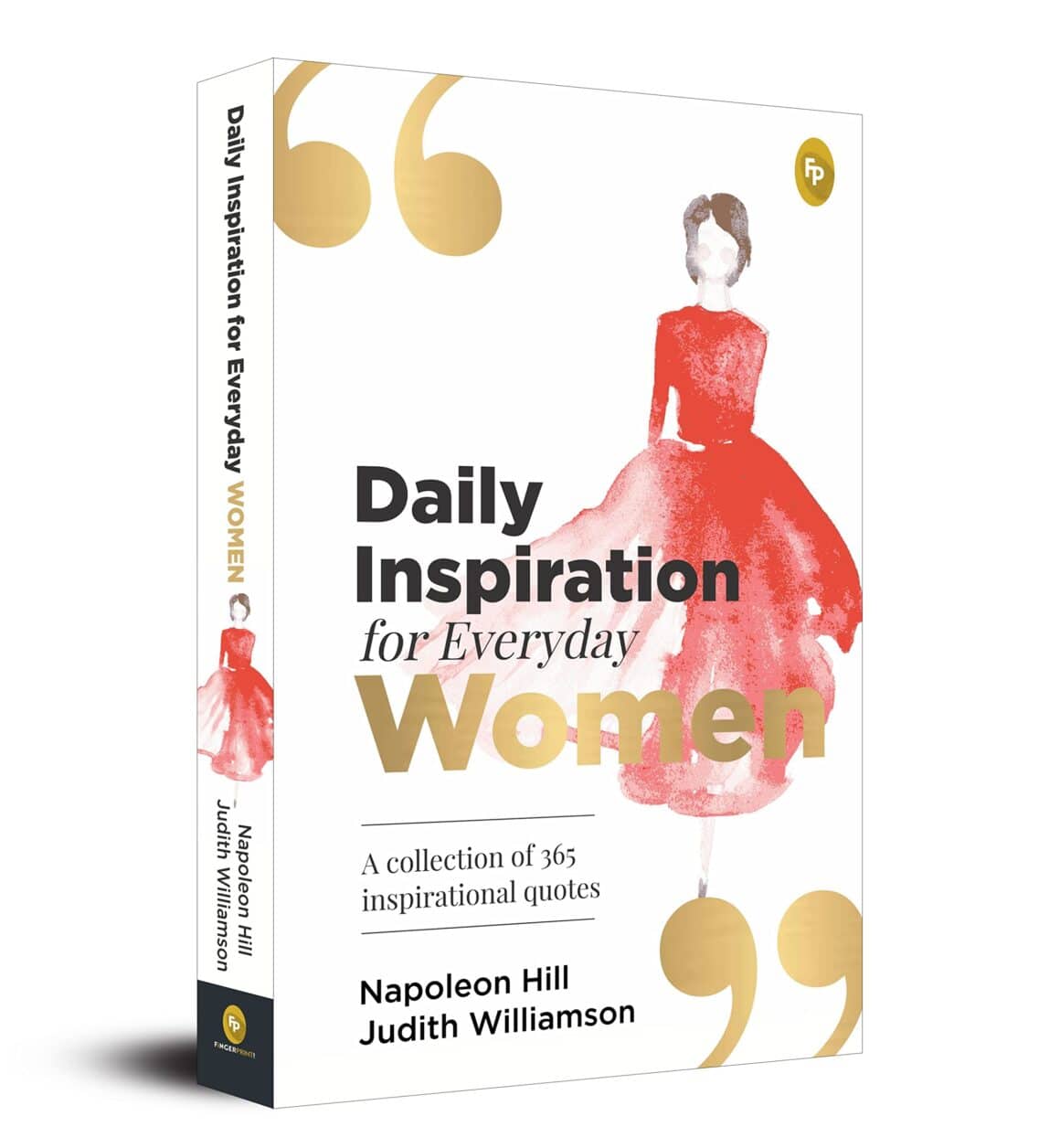
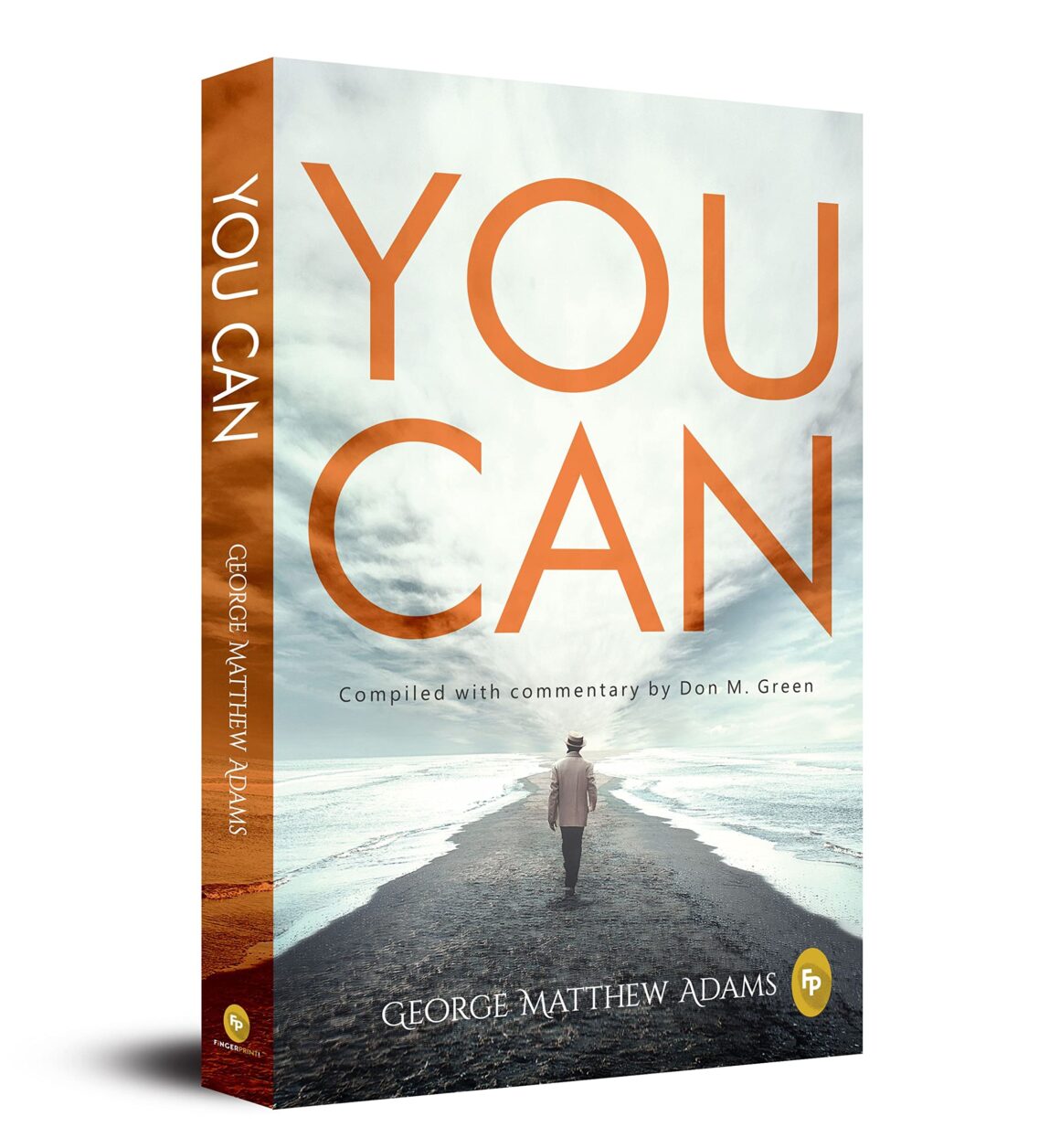
Reading books can be an incredibly beneficial activity for children and can set them up for success in many ways. Here are some strategies to help you understand how reading books can benefit your child:
Develops Vocabulary and Language Skills: Reading books exposes children to a variety of new words and phrases, which can help to expand their vocabulary and improve their language skills. This can be especially helpful for children who are learning a second language.
Improves Concentration and Focus: Reading books requires concentration and focus, which can help children develop these important skills. This can be helpful in many areas of life, including school, work, and personal relationships.
Enhances Imagination and Creativity: Reading books allows children to use their imagination and creativity, which can help them develop these skills. This can be especially helpful for children who struggle with creative thinking.
Builds Knowledge and Understanding: Reading books can provide children with information and knowledge about a wide range of topics, which can help to build their understanding of the world around them. This can be helpful in many areas of life, including academic and personal pursuits.
Encourages Empathy and Understanding: Reading books can expose children to different perspectives and experiences, which can help to build empathy and understanding for others. This can be especially helpful in developing strong relationships and social skills.
How does reading books set your child up for success?
Reading books can set children up for success by developing their language skills, improving their concentration and focus, enhancing their imagination and creativity, building their knowledge and understanding, and encouraging empathy and understanding for others.
Through reading, children can expand their vocabulary and language skills, which can be beneficial for academic and personal pursuits. Reading also requires concentration and focus, which can help children develop these important skills.
Additionally, reading can expose children to different perspectives and experiences, which can help to build empathy and understanding for others. These skills are essential for success in many areas of life, including academic, personal, and social pursuits.
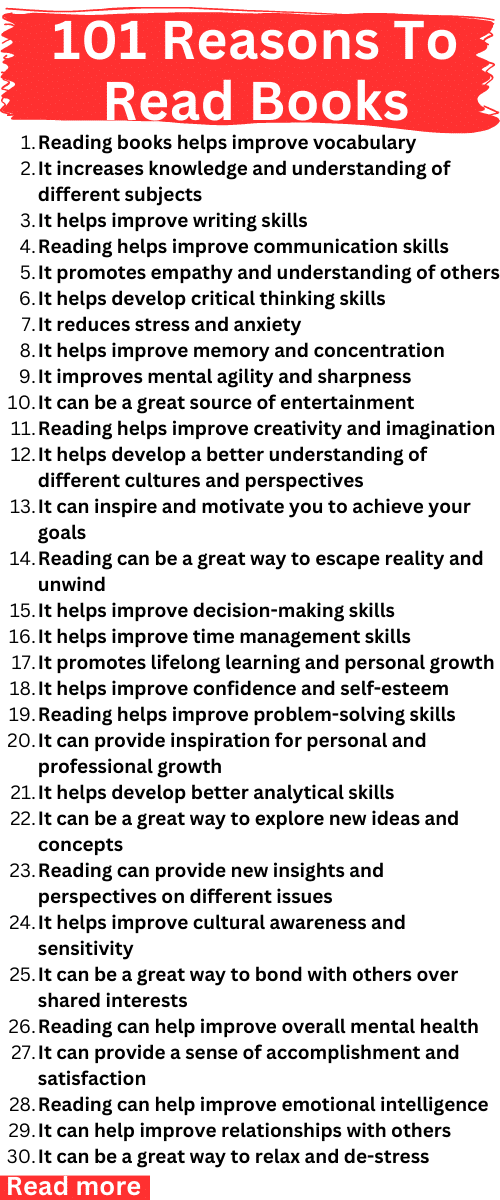
101 Reasons To Read Books
1. Reading books helps improve vocabulary
2. It increases knowledge and understanding of different subjects
3. It helps improve writing skills
4. Reading helps improve communication skills
5. It promotes empathy and understanding of others
6. It helps develop critical thinking skills
7. It reduces stress and anxiety
8. It helps improve memory and concentration
9. It improves mental agility and sharpness
10. It can be a great source of entertainment
11. Reading helps improve creativity and imagination
12. It helps develop a better understanding of different cultures and perspectives
13. It can inspire and motivate you to achieve your goals
14. Reading can be a great way to escape reality and unwind
15. It helps improve decision-making skills
16. It helps improve time management skills
17. It promotes lifelong learning and personal growth
18. It helps improve confidence and self-esteem
19. Reading helps improve problem-solving skills
20. It can provide inspiration for personal and professional growth
21. It helps develop better analytical skills
22. It can be a great way to explore new ideas and concepts
23. Reading can provide new insights and perspectives on different issues
24. It helps improve cultural awareness and sensitivity
25. It can be a great way to bond with others over shared interests
26. Reading can help improve overall mental health
27. It can provide a sense of accomplishment and satisfaction
28. Reading can help improve emotional intelligence
29. It can help improve relationships with others
30. It can be a great way to relax and de-stress
31. It can help improve sleep quality
32. Reading can be a great way to learn about history and current events
33. It can help improve problem-solving skills
34. It can be a great way to learn about different professions and careers
35. Reading can help improve memory retention
36. It can provide an escape from everyday life
37. It can help improve analytical and critical thinking skills
38. It can help improve focus and concentration
39. Reading can help improve self-awareness
40. It can be a great way to learn about different hobbies and interests
41. It can help improve communication skills in social situations
42. Reading can be a great way to learn about different places and cultures
43. It can help improve decision-making skills in personal and professional life
44. It can help improve mental flexibility and adaptability
45. It can be a great way to learn about different historical eras
46. Reading can help improve academic performance
47. It can be a great way to learn about different philosophical ideas
48. It can help improve problem-solving skills in personal and professional life
49. It can be a great way to learn about different scientific concepts and theories
50. Reading can help improve self-discipline
51. It can be a great way to learn about different religious beliefs and practices
52. Reading can help improve leadership skills
53. It can be a great way to learn about different political systems and ideologies
54. It can help improve teamwork and collaboration skills
55. Reading can be a great way to learn about different art forms and styles
56. It can help improve decision-making skills in personal and professional life
57. It can be a great way to learn about different social issues and movements
58. It can help improve self-awareness and personal growth
59. Reading can be a great way to learn about different sports and fitness activities
60. It can help improve public speaking and presentation skills
61. Reading can be a great way to learn about different technological advancements and innovations
62. It can help improve negotiation and conflict-resolution skills
63. It can be a great way to learn about different culinary traditions and cuisines
64. It can help improve time management skills in personal and professional life
65. Reading can be a great way to learn about different fashion trends and styles
66. It can help improve financial literacy and money management skills
67. It can be a great way to learn about different environmental issues and conservation efforts
68. Reading can help improve networking and relationship-building skills
69. It can be a great way to learn about different travel destinations and cultures
70. It can help improve emotional intelligence in personal and professional life
71. It can be a great way to learn about different social norms and customs
72. It can help improve problem-solving skills in personal and professional life
73. Reading can be a great way to learn about different human behaviors and motivations
74. It can help improve organizational and planning skills
75. It can be a great way to learn about different literary genres and styles
76. Reading can help improve self-reflection and introspection
77. It can be a great way to learn about different parenting techniques and approaches
78. It can help improve goal-setting and achievement skills
79. It can be a great way to learn about different musical genres and styles
80. It can help improve adaptability and resilience in personal and professional life
81. It can be a great way to learn about different cultural traditions and celebrations
82. It can help improve problem-solving skills in personal and professional life
83. Reading can be a great way to learn about different spiritual beliefs and practices
84. It can help improve self-confidence and assertiveness
85. It can be a great way to learn about different educational theories and practices
86. It can help improve conflict resolution and negotiation skills
87. It can be a great way to learn about different animal species and behaviors
88. It can help improve time management skills in personal and professional life
89. It can be a great way to learn about different technological tools and applications
90. It can help improve self-motivation and perseverance
91. Reading can be a great way to learn about different marketing and advertising strategies
92. It can help improve stress management and coping skills
93. It can be a great way to learn about different historical figures and their legacies
94. It can help improve decision-making skills in personal and professional life
95. It can be a great way to learn about different forms of entertainment and media
96. It can help improve organizational and prioritization skills
97. It can be a great way to learn about different ethical theories and principles
98. It can help improve adaptability and flexibility in personal and professional life
99. It can be a great way to learn about different legal systems and procedures
100. It can help improve self-awareness and emotional intelligence
101. Reading can be a great way to learn about different forms of art and creativity.
In conclusion, reading books offers countless benefits for personal and professional growth. From expanding knowledge and understanding to improving skills and abilities, books can enrich every aspect of our lives. With so many genres and subjects to choose from, there is always a book waiting to be read and a new world waiting to be explored.
FAQs
Q: Why should I read books?
A: Reading books has numerous benefits, such as improving vocabulary, increasing knowledge, enhancing critical thinking skills, reducing stress, and improving empathy and emotional intelligence.
Q: How can I improve my reading skills?
A: You can improve your reading skills by reading regularly, practicing reading comprehension exercises, expanding your vocabulary, and seeking feedback and guidance from a teacher or tutor.
Q: What types of books should I read?
A: The type of books you should read depends on your personal interests and goals. You can read fiction, non-fiction, self-help books, biographies, memoirs, or any other genre that you find engaging and enjoyable.
Q: How much time should I spend reading each day?
A: The amount of time you should spend reading each day depends on your schedule and personal preferences. It can be as little as 15 minutes or as much as several hours.
Q: What if I don’t enjoy reading?
A: If you don’t enjoy reading, you can try exploring different genres and styles until you find something that interests you. You can also try audiobooks or reading with a friend or book club to make it more enjoyable.
Q: How can I make time for reading in my busy schedule?
A: You can make time for reading by setting aside a specific time each day for reading, such as before bed or during lunch breaks. You can also try incorporating reading into other activities, such as listening to audiobooks while commuting or exercising.
Q: Can reading be harmful?
A: Reading is generally not harmful, but it’s important to take breaks and stretch regularly to avoid eye strain and other physical discomforts. Additionally, it’s important to read a variety of viewpoints and perspectives to avoid getting stuck in an echo chamber and potentially harmful beliefs.
Q: Why is reading important?
A: Reading is important because it can help improve various cognitive and academic skills, expand knowledge and understanding of different subjects and ideas, increase empathy and social awareness, enhance communication and language skills, and provide a source of entertainment and relaxation.
Q: What are the benefits of reading?
A: The benefits of reading include improving cognitive function, increasing knowledge and understanding, expanding vocabulary and language skills, enhancing empathy and social awareness, reducing stress, and providing a source of entertainment and relaxation.
Q: How can reading improve cognitive function?
A: Reading can improve cognitive function by exercising the brain and improving memory, focus, and analytical skills.
Q: How can reading expand knowledge and understanding?
A: Reading can expand knowledge and understanding by providing access to new ideas, perspectives, and information on various subjects and topics.