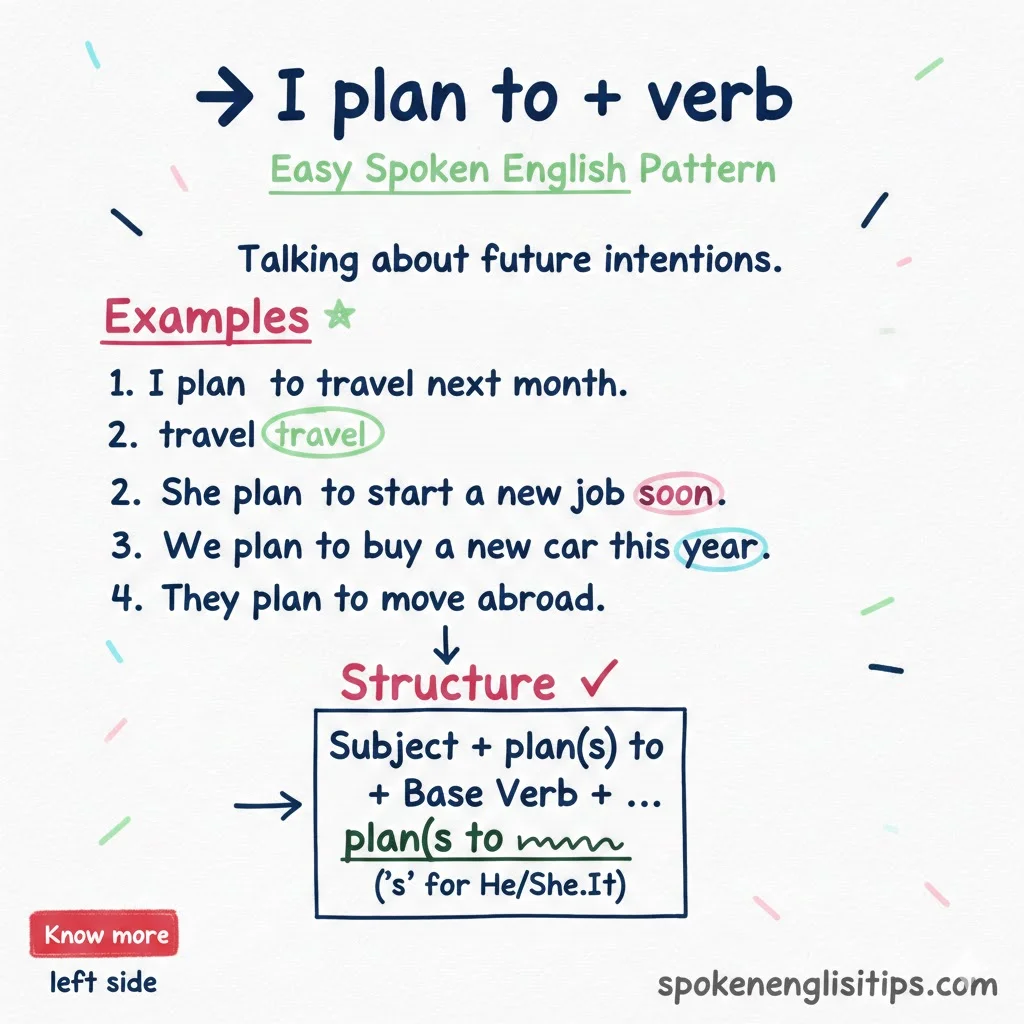
“To be honest” is a very common English phrase used when you want to give your true opinion, feeling, or thought. It helps make your speech sound natural and friendly. People often use it before sharing something personal, surprising, or direct. In daily conversations, native speakers use this phrase at home, at work, with friends, and while traveling. It shows that you are speaking sincerely and openly. You can place it at the beginning of a sentence before the subject and verb. Learning this expression can make your spoken English sound more confident and natural. It is especially useful when giving feedback, expressing preferences, or sharing personal experiences.
◎ Important Points
- Use “To be honest” when giving your real opinion.
- It makes conversations sound natural and friendly.
- It is commonly used in spoken English.
- Place it before the main sentence.
- Use a comma after “To be honest” in writing.
- It can express positive or negative opinions.
- Avoid using it too many times in the same conversation.
➤Key Concept
✅ Sentence Structure: To be honest, + Subject + Verb + Other Information
Example: To be honest, I don’t like waking up early.
Main Concept:
Use “To be honest” before a sentence when you want to share your genuine opinion or feeling.
Speaking Tip:
Use a natural pause after “To be honest” to sound more fluent and confident.
➤ Common Mistakes To Avoid
| Common Mistake | Wrong Example | Correct Example |
|---|---|---|
| Missing subject | To be honest, don’t like it. | To be honest, I don’t like it. |
| Wrong word order | To be honest, like I this movie. | To be honest, I like this movie. |
| Using unnecessary words | To be honest, honestly I think it is good. | To be honest, I think it is good. |
| Missing verb | To be honest, I not happy. | To be honest, I am not happy. |
| Wrong tense usage | To be honest, I am go yesterday. | To be honest, I went yesterday. |
➤ Examples
- To be honest, I forgot your birthday.
- To be honest, I prefer tea over coffee.
- To be honest, this project is more difficult than I expected.
- To be honest, I am feeling a little tired today.
- To be honest, I didn’t enjoy the movie.
- To be honest, we need more time to finish the work.
- To be honest, I was nervous before the interview.
- To be honest, this hotel is better than I expected.
- To be honest, she speaks English very well.
- To be honest, I want to learn English faster.
➤ Practice Examples
A. Fill in the Blanks (5)
- To be honest, I ______ tired today.
- To be honest, we ______ this restaurant.
- To be honest, she ______ very hard.
- To be honest, I ______ the answer.
- To be honest, they ______ late yesterday.
Answers:
- am
- like
- works
- know
- were
B. Change the Incorrect Sentence to Correct One (5)
- To be honest, like I this book.
- To be honest, I not hungry.
- To be honest, she don’t agree.
- To be honest, we was busy.
- To be honest, he go yesterday.
Answers:
- To be honest, I like this book.
- To be honest, I am not hungry.
- To be honest, she doesn’t agree.
- To be honest, we were busy.
- To be honest, he went yesterday.
C. Speak These Sentences Aloud
- To be honest, I need a short break.
- To be honest, this task is easy.
- To be honest, I enjoy learning English.
- To be honest, my friend helped me a lot.
- To be honest, I want to improve my speaking skills.